Quality Solar Installations

0412 534 880
Learn how a Virtual Power Plant can affect the value of solar batteries on the Central Coast, including savings, backup settings, battery use and key trade-offs.
Investing in a home battery often leads to one important question: how can its long-term value be maximised? For households considering solar batteries on the Central Coast, joining a Virtual Power Plant (VPP) can add another layer of benefit beyond simple energy storage. Freedom Solar & Batteries explains how a VPP works with a home battery, how it can influence electricity costs, and what homeowners should weigh up before joining. While the right programme can improve savings and make a battery more useful day to day, the value depends on the contract terms, backup settings and how the household uses energy.
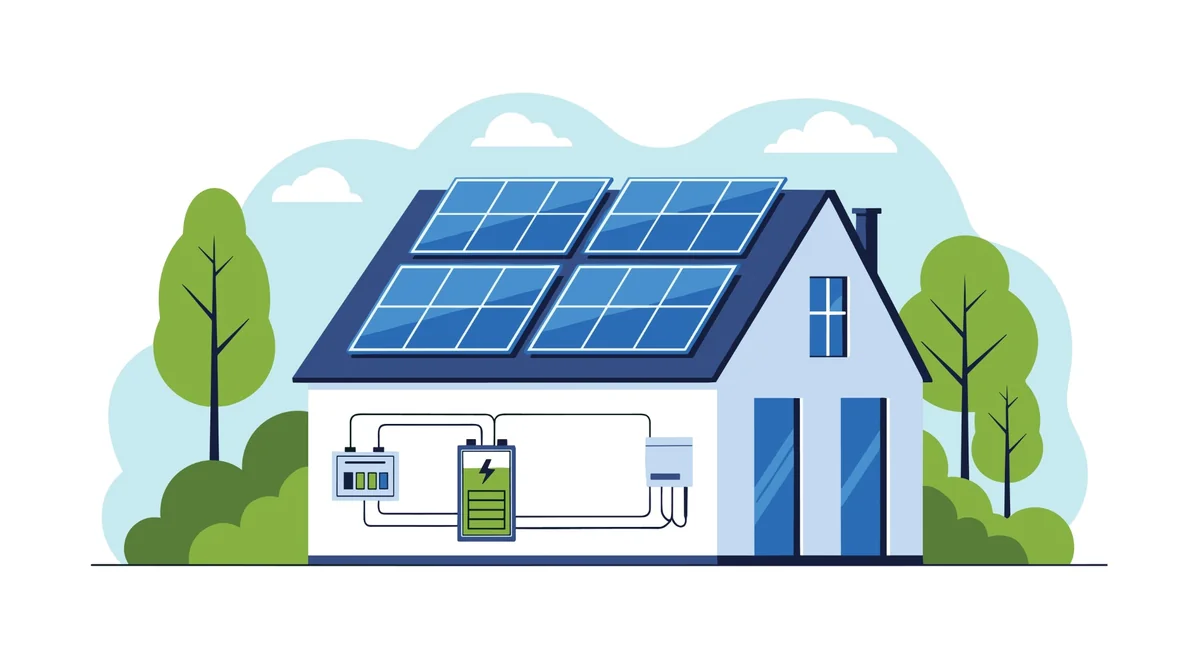
A Virtual Power Plant links many individual home batteries together through software so they can operate like one larger energy resource. Instead of each battery working in isolation, the VPP coordinates when participating systems charge, discharge and, in some cases, export energy to the grid. This helps electricity networks manage peak demand while giving battery owners access to benefits that may not be available through standalone operation.
In simple terms, a VPP uses stored energy when it is most valuable. That may mean charging a battery when solar production is high, discharging it when household demand rises in the evening, or exporting some stored power during periods of grid stress. Rather than leaving every battery to follow the same fixed pattern each day, the VPP adjusts operation based on conditions in real time.
A battery enrolled in a VPP stays installed and connected in the same way as any other home battery system, but its operation is partly managed by the VPP platform. The system communicates through the battery inverter and internet connection, allowing the operator to monitor battery charge levels, solar generation and household energy use within the limits of the programme.
Typical actions may include:
This process is usually automated. Once the battery is enrolled, the homeowner does not need to manually respond to grid events or adjust settings every day. Instead, the VPP works within agreed parameters, including how much battery charge is kept in reserve for backup power.
When hundreds or thousands of home batteries are combined in one programme, the total stored energy becomes significant. A VPP operator can use that combined capacity to support the grid during periods of high demand, local network pressure or broader electricity market stress.
This support reduces strain on the grid and can help limit reliance on more expensive generation sources during peak periods. In return, participating battery owners may receive credits, incentive payments or tariff benefits depending on the programme structure. The homeowner does not deal directly with the wider electricity market, as the VPP handles that coordination and allocates benefits according to each system’s contribution.
For most households, joining a VPP does not change how the battery looks or how the solar system is used from a practical, everyday perspective. The main difference is that the battery may charge and discharge in a smarter, more responsive way instead of following a simple self-consumption pattern.
On normal days, this can help reduce electricity bills by using stored energy during higher-priced periods. On selected high-demand days, the battery may also export some energy to the grid in exchange for extra credits or payments. Many programmes still allow a portion of the battery capacity to remain reserved for backup, though the exact amount depends on the settings and rules of the programme.
A home battery used on its own mainly creates value by storing excess solar energy for later use. A VPP can increase that value by creating more ways for the battery to reduce costs or generate financial return.
The biggest advantage is that it allows the battery to take part in opportunities that individual households usually cannot access on their own. Because many systems are grouped together, the VPP can respond to grid events, price signals and network needs in a way a single battery cannot. This can create additional value on top of ordinary self-consumption savings.
That said, the benefit is not always the same for every household. The financial outcome depends on the battery size, tariff structure, solar generation, household usage patterns and the terms of the VPP itself. In some homes the improvement may be worthwhile, while in others it may be relatively modest.
One of the clearest reasons homeowners consider a VPP is the potential for extra savings or payments. Depending on the programme, these may come from:
These benefits can improve the overall return on investment from the battery and may shorten the payback period compared with using the battery only for storing solar energy. However, projected savings should always be looked at carefully. Not every programme pays the same way, and actual outcomes depend on how often the battery is dispatched and how much value each event creates.
In homes on time-of-use tariffs, a VPP may improve how effectively the battery is used across the day. Instead of simply charging whenever solar is available and discharging in the evening, the VPP can take tariff periods, forecast demand and grid conditions into account.
This can help the battery avoid expensive peak imports more consistently and may increase the value of stored energy. For homes with strong evening electricity use, such as running cooking appliances, air conditioning or electric hot water systems, that smarter timing can make a noticeable difference to annual savings.
The effect is usually more limited in homes with flatter tariffs or where most solar energy is already used on site during the day. In those cases, the VPP may still provide some benefit, but the financial upside may rely more on incentives than on large ongoing bill reductions.
A VPP can change how often a battery cycles and how deeply it is discharged. In general, more cycling contributes to battery wear over time, which is why this issue should not be ignored when comparing programme benefits.
Well-designed VPPs usually include safeguards to reduce unnecessary strain. These may include limiting the depth of discharge, restricting how often events occur and reserving part of the battery for backup use. Even so, homeowners should check whether increased cycling could affect the long-term performance of the system and whether it remains within the battery warranty conditions.
The key question is whether the financial return and practical benefit of participation outweigh any increase in battery usage. That balance may vary from one programme to another.
Before signing up, it is important to look beyond the headline savings figure and review how the programme actually works. A VPP may sound attractive in principle, but the details determine whether it suits the household.
Important points to check include:
These details matter because they shape both the practical and financial value of joining. A programme that offers strong incentives but poor backup flexibility may not suit a household that installed a battery mainly for outage protection.
For some homeowners, backup power is one of the main reasons for installing a battery in the first place. In that situation, VPP participation needs closer scrutiny. If too much capacity is made available for grid support, there may be less stored energy left during an outage.
Many programmes allow a minimum reserve level to be set, which helps protect backup capability. This feature is especially important for homes in areas where power outages are frequent or where maintaining essential circuits during a blackout is a priority. Households that value control and resilience above all else may prefer a more conservative reserve setting or may decide that independent battery operation is a better fit.
A VPP often suits households that are comfortable allowing some automated control of their battery in exchange for greater financial return. It can be a strong option for homes with a good amount of surplus solar generation, a battery large enough to provide meaningful flexibility and tariff structures that reward shifting electricity use.
It may particularly suit households that:
For these households, a VPP can make the battery work harder financially rather than simply sit in reserve between daily charging cycles.
A VPP may be less suitable for homeowners who place the highest value on having full control over their battery or who installed it mainly for blackout protection. It may also be less attractive where financial returns are limited by the tariff structure, small battery size or low excess solar generation.
It can also be less appealing where contracts are restrictive. Multi-year agreements, limited flexibility, retailer requirements or exit penalties can all reduce the practical value of joining. If household energy use is likely to change soon, such as adding an electric vehicle or moving house, a rigid programme may become frustrating rather than helpful.
A VPP can improve the value of a home battery, but only when the programme is well matched to the household. The strongest value usually comes where the battery has enough spare capacity, the tariff structure rewards smart dispatch and the contract offers fair incentives without compromising backup priorities too heavily.
For homeowners focused on reducing electricity costs and making the most of their battery, a VPP can be a practical and worthwhile option. For those who want maximum independence, strict control over stored energy or stronger blackout protection, standalone battery operation may remain the better choice. The smartest approach is to compare likely savings against the trade-offs in control, flexibility and battery use before making a decision.