Quality Solar Installations

0412 534 880
Can salt air damage solar batteries in Central Coast homes? Learn how coastal conditions affect battery systems and what helps protect long-term performance.
Salt air is part of daily life in coastal regions, and it is often a quiet concern for anyone investing in rooftop solar and home batteries. At Freedom Solar & Batteries, we are frequently asked whether the salty environment that corrodes cars, railings and outdoor fixtures will also damage solar batteries in Central Coast or shorten their lifespan. This article explores how salt-laden air actually interacts with modern solar battery systems, what components are most at risk and which design choices make the biggest difference to long-term performance.
Readers will learn how corrosion occurs in coastal environments, what that means in practical terms for battery casings, electrical connections and associated solar hardware and how leading brands and installers engineer around these challenges. Licensed solar battery specialists will also unpack key considerations such as indoor vs outdoor battery placement, IP ratings, enclosure quality, routine maintenance and warranty implications for homes and businesses near the coast.
Salt air can absolutely impact solar battery systems, but it affects some components more than others. The main concern is not the battery chemistry inside the cells but the metal casings, wiring and electronic components that surround and connect the batteries. In coastal locations, professional solar battery installers focus on how salty moisture reaches equipment and how quickly it is carried away or sealed out.
Salt in the air accelerates corrosion when it settles on surfaces and then mixes with humidity or rain to form a conductive, slightly salty film. This film can create tiny corrosion cells on metals and can also increase the risk of electrical tracking across dirty or damp surfaces. Over time, this can shorten the life of terminals, enclosures and circuit boards if they are not properly protected.
The first part of a solar battery system that salt air attacks is usually the exterior hardware. Steel enclosures, mounting brackets, hinges, latches and exposed fasteners can rust faster in coastal environments. If low-grade hardware is used, the corrosion can spread, making doors difficult to close, seals less effective and mounting structures weaker.
Battery terminals and busbars are also vulnerable if they are exposed or poorly sealed. A white or green crust around terminals indicates corrosion that can increase electrical resistance, reduce efficiency and, in severe cases, cause overheating at connection points. DC isolators, conduit fittings and gland entries can allow moist salty air into cabinets if they are not correctly rated or installed.
To combat this, the licensed solar battery installers specify corrosion-resistant materials, such as aluminium or stainless steel for outdoor hardware and powder-coated or marine-grade finishes for enclosures in coastal zones. Correct cable glands and gaskets are essential so salt-laden air cannot easily enter battery cabinets.
Inside the system, circuit boards and control electronics are sensitive to salty moisture. The battery management system, inverter and communication equipment often include fine copper tracks, small relays and sensors. Salt deposits combined with humidity can cause:
Quality manufacturers address this by using conformal coatings on circuit boards, sealed housings and well-designed airflow paths. Equipment with appropriate ingress protection (IP) ratings helps keep salty air and spray out. Positioning inverters and battery units in protected locations away from direct onshore winds further reduces salt exposure.
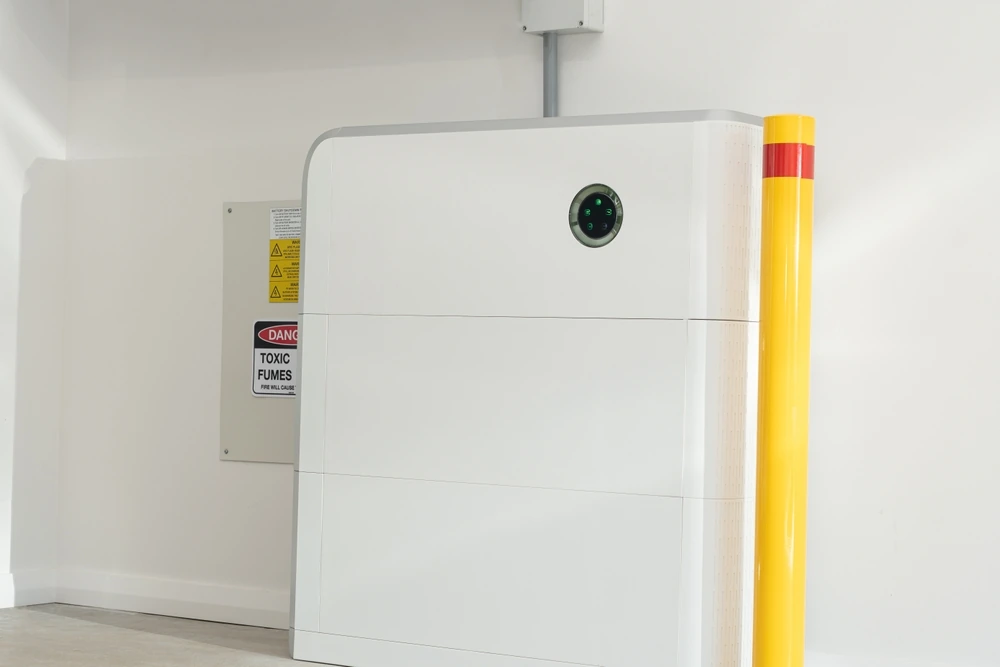
Most modern lithium batteries used in home and commercial systems are designed for indoor or semi-enclosed spaces. When installed in a garage, utility room or weatherproof cabinet, the impact of salt air is greatly reduced because the air inside these spaces is less salty and less direct.
Outdoor installations closer to the shoreline face higher concentrations of salt, especially within a few hundred metres of breaking waves. In these situations, protection level matters much more. Solar battery specialists assess distance from the coast, prevailing winds and existing shelter, then specify higher-grade enclosures, better sealing and more frequent inspection to ensure the system continues to perform in salty coastal air.
In coastal environments salt-laden air can attack certain parts of a solar battery system much faster than normal humidity or rain. Not every component is equally at risk. Some are well-protected at the factory, while others rely heavily on correct installation and maintenance to resist corrosion over time.
Understanding which parts are most vulnerable helps homeowners and businesses know where to focus inspections and upgrades. Most licensed solar battery specialists design and install systems with these risks in mind so the most exposed components receive extra protection from the start.
The battery unit itself is usually sealed, but the outer housing and electrical terminations are key corrosion points. Salt air carries fine conductive particles that can settle on metal surfaces and attract moisture. Over time this mix leads to rust on steel parts and white or green deposits on copper or aluminium.
Outdoor battery enclosures, especially older painted steel boxes or thin-gauge cabinets, are more vulnerable than purpose-built coastal-rated units. Corrosion tends to start at seams, hinges, mounting holes and around cable penetrations where protective coatings are thinnest or damaged. This can compromise weather sealing and, in severe cases, weaken the structure.
Battery terminals and busbars are particularly sensitive. Corrosion here increases electrical resistance, which can cause heat buildup, reduced efficiency and in extreme cases, connection failure. Quality systems use:
Licensed solar battery installers specify and install these higher-grade materials in coastal installations to control this risk.
Inverters and associated switchgear are packed with electronics that do not tolerate conductive salt deposits. Although most inverters carry outdoor ratings, the weakest points are usually:
In salt air environments metal fan grilles and heat sink fins can corrode, which restricts airflow and cooling. Salt residue on internal circuit boards can create tracking paths for current that lead to faults. For coastal sites, solar battery specialists typically recommend premium inverters with high IP ratings and install them in shaded, well-ventilated locations with minimal direct exposure to sea spray.
DC isolators, combiner boxes and AC disconnects are also vulnerable. Cheaper units with generic plastic housings and non-marine hardware often show rust on screws and terminals within a few years near the coast. Using UV-stable enclosures, stainless steel or marine-grade fasteners and sealed cable entries significantly improves life expectancy.
Cables themselves are less prone to corrosion when insulation remains intact. However, exposed copper at terminations, cable ties that cut into jackets and poorly sealed conduit ends can all become starting points for salt intrusion and eventual conductor damage.
The structural hardware that holds panels and batteries in place is constantly exposed to the elements, so it is one of the first areas where corrosion appears. Standard carbon steel brackets or mixed-metal combinations such as aluminium rails bolted with plain steel fasteners tend to corrode quickly in coastal conditions.
Anodised aluminium module frames hold up well when properly installed, but damage to the anodised layer at cut edges or where clamps bite into the frame can become corrosion sites. Similarly, penetration points in the roof are vulnerable if inferior flashing or sealants are used or if dissimilar metals are placed in direct contact.
Licensed solar battery specialists therefore prioritise:
By focusing on these high-risk components, a coastal solar and battery system can maintain both structural integrity and performance for many years.
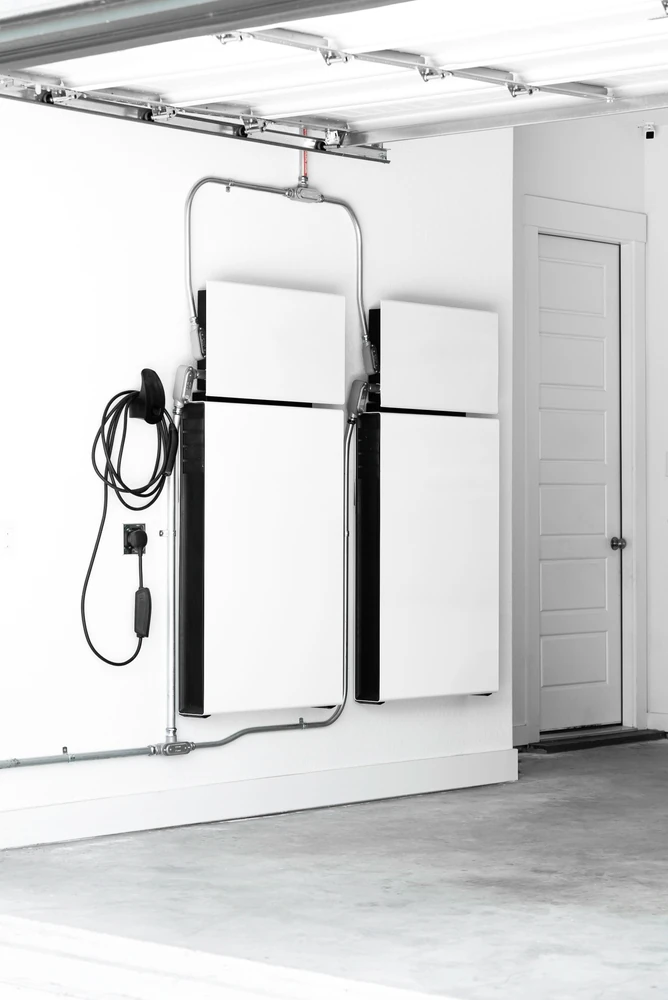
Modern solar batteries are generally designed with coastal conditions in mind, but not all products perform equally well in salty, humid air. Anyone living near the ocean should look closely at how well a battery is sealed, what materials it uses and what environment it is actually rated for before installation.
With the right equipment and placement, salt air is a manageable concern rather than a deal breaker.
Solar battery installers focus on battery systems that carry corrosion‑resistant features and suitable outdoor ratings. Installers can then match the right battery to each home’s distance from the coast and typical wind and salt exposure so the system will last its full expected lifespan.
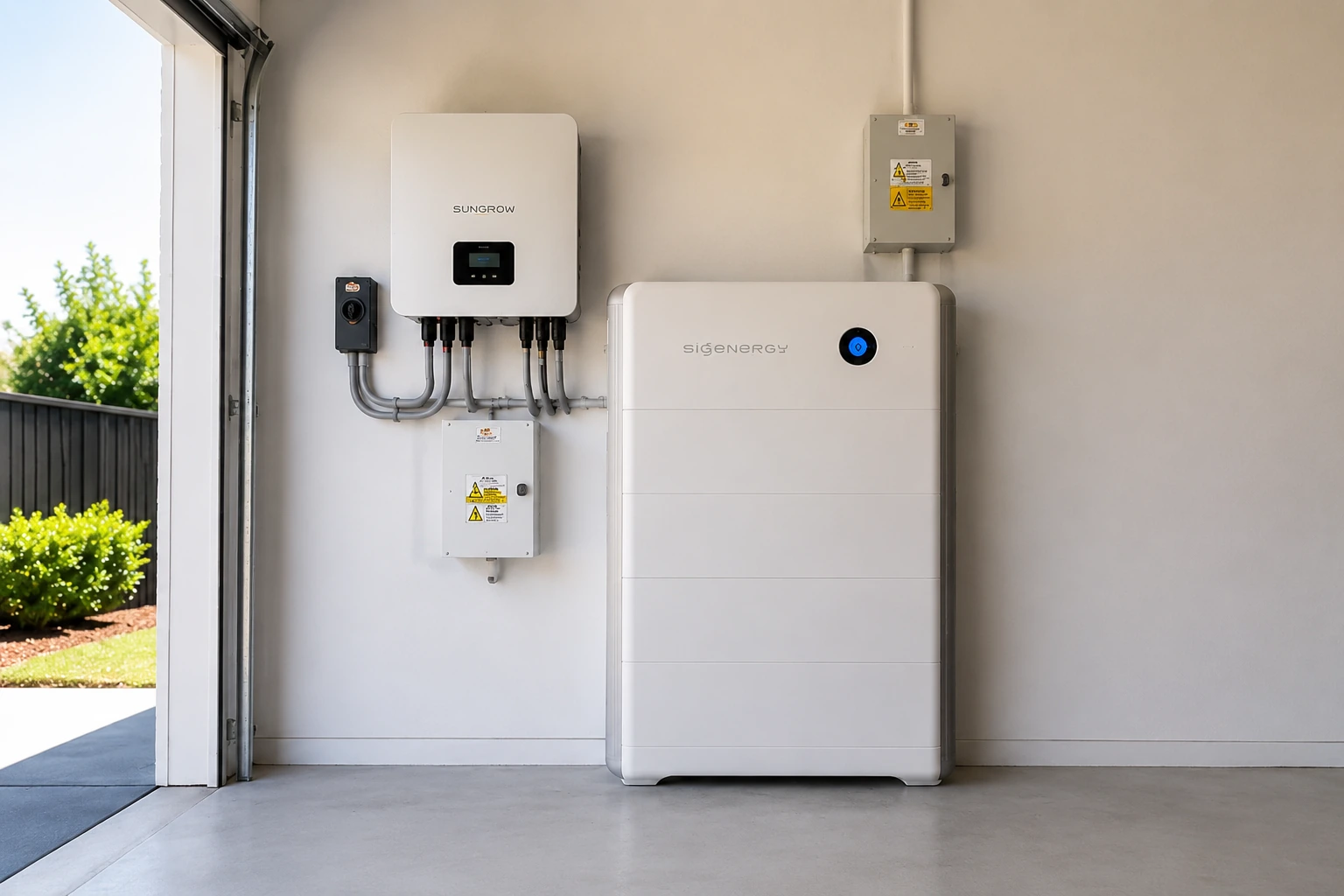
Modern lithium solar batteries are typically housed in a steel or reinforced polymer cabinet that protects the internal cells and electronics. For coastal homes, one of the first things to check is the IP rating and whether the unit is approved for outdoor installation.
An IP65 or higher rating usually indicates a dust-tight enclosure that can handle low-pressure water jets, which helps keep salty moisture away from sensitive parts. Some premium systems go further and use double gaskets around doors as well as shielded vents or fans with filters to limit salt‑laden air entering the cabinet.
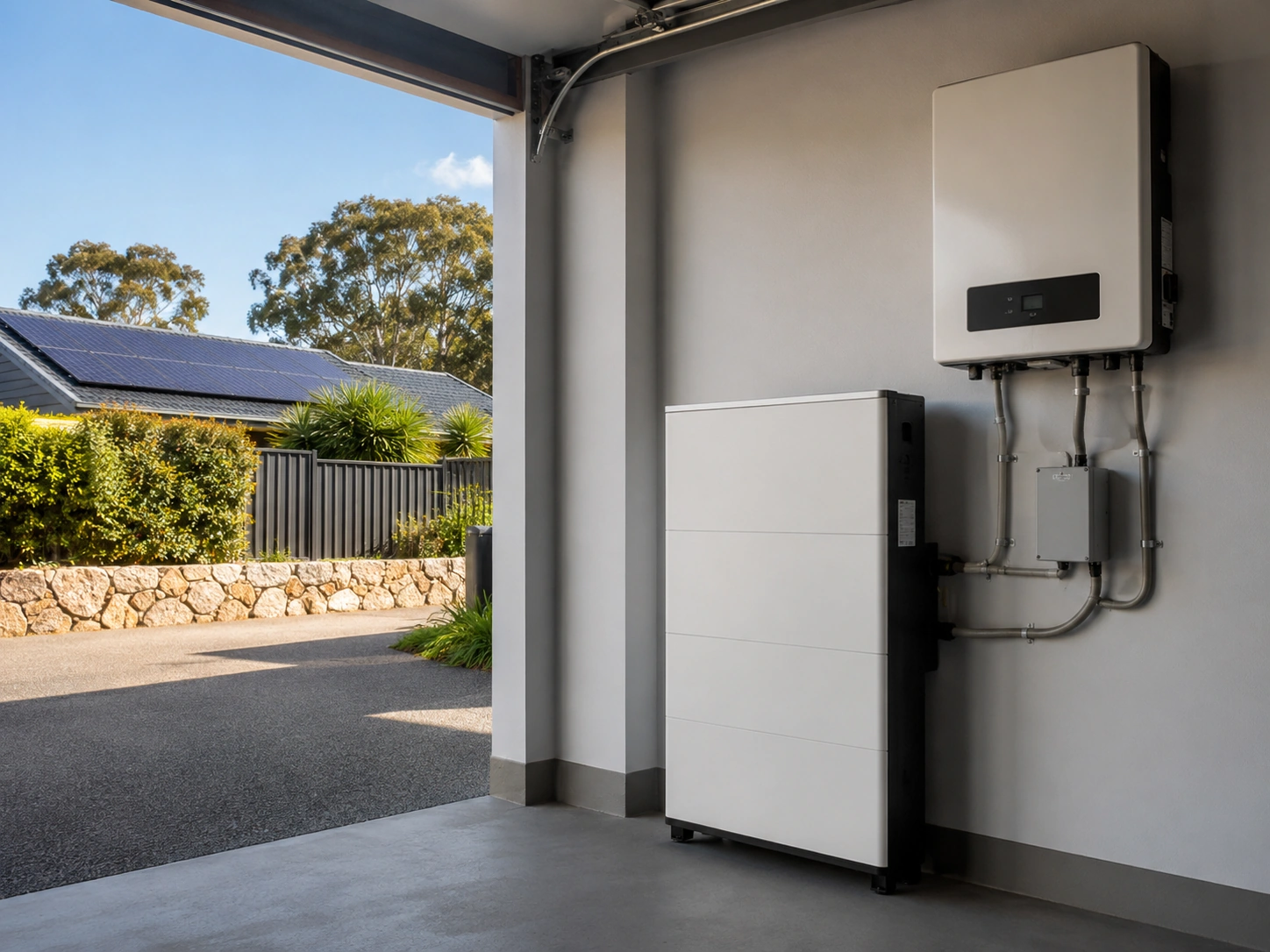
Many leading batteries are designed to be wall-mounted off the ground, which reduces splash exposure and helps avoid puddles or pooling water at the base of the unit. Solar battery installers typically recommend outdoor‑rated batteries with sealed enclosures for properties within a few kilometres of the coastline.
Even with a good enclosure, coastal performance depends on what the manufacturer uses for the cabinet and hardware. Better coastal‑ready batteries typically feature powder‑coated or galvanised steel housings, stainless steel or coated fasteners and UV-stable plastics.
These materials slow the electrochemical reaction that occurs when salt deposits mix with moisture on metal parts. Some manufacturers also apply conformal coatings to internal circuit boards to protect against condensation or occasional salt intrusion, which provides an extra layer of insurance in harsh seaside climates.
Even a well‑designed battery can fail early if it is installed in the wrong place. In coastal suburbs, our solar battery installers typically avoid mounting batteries:
A semi‑protected location such as under an eave in a carport or in a ventilated garage usually provides better long‑term protection. Clearances from walls and the ground help airflow and allow salt or dust to be rinsed away naturally. For very exposed homes, additional shielding, such as a simple weather hood or dedicated outdoor cabinet, can significantly reduce salt build‑up and corrosion risk without affecting battery performance.
Coastal homeowners cannot avoid salt in the air, but they can greatly reduce its impact on solar batteries and supporting equipment. With the right equipment choices, good installation practices and simple maintenance habits, a solar and battery system can operate reliably for many years in a harsh marine environment.
Licensed solar battery experts design coastal systems with corrosion resistance in mind and then pair that design with site-specific installation methods. Homeowners who understand the key risks and protections can work with our team to get more life and value out of their investment.
The first and most important step is to select components that are rated for coastal or marine environments. Not all batteries and enclosures are built to withstand regular salt exposure.
Homeowners should look for:
When possible, our team recommends wall-mounted lithium batteries that are designed for outdoor use instead of improvised indoor units placed in marginal spaces like damp garages. In high-risk locations such as properties within a few hundred metres of the shoreline, a dedicated outdoor cabinet with gaskets and filtered vents can greatly reduce salt intrusion.
Placement of the battery system on the property makes a big difference in long-term durability. Even the best-rated equipment will last longer if it is protected from direct salt spray and prevailing winds.
Coastal homeowners can reduce risk by:
In very exposed sites, installers may add physical barriers such as baffles or partial walls that block direct wind paths without trapping heat. Ventilation remains critical, so any protective structure is designed to allow air circulation and maintain the manufacturer’s required clearances.
Regular light maintenance goes a long way in coastal environments. The goal is to remove salt deposits before they can accumulate and attack metal surfaces and electrical contacts.
Most homeowners can manage a simple routine that includes:
If any corrosion is spotted early, our team can clean the affected area, treat it and reseal or replace components before performance or safety is compromised. For homes in very salty zones, such as beachfront properties, increasing professional service visits to twice per year can be a smart preventive step that costs far less than premature battery replacement.
Salt-laden air can shorten the lifespan of solar batteries, but how much depends on the battery type, installation quality and how close the system is to the coast. Modern solar batteries are built with corrosion resistance in mind, and many are certified for coastal conditions, so the risk is usually manageable rather than a deal breaker.
The main concern is that tiny salt particles in the air can settle on metal parts and electronics, attract moisture and then slowly corrode exposed components. If corrosion reaches terminals, connectors or internal circuitry, it can cause higher resistance, overheating, reduced usable capacity and eventually early battery failure.
Salt exposure does not attack the battery chemistry directly. Instead, it accelerates corrosion on metal parts around the battery and, in some cases, on the battery casing and terminals.
Lithium batteries: Quality lithium batteries used in home and business solar systems are typically sealed units inside powder-coated steel or aluminium enclosures. Many are IP-rated for outdoor or semi-outdoor installation and some carry specific coastal or marine suitability ratings. For these systems the most vulnerable parts are usually external terminals, cable lugs, mounting hardware and nearby switchgear rather than the lithium cells themselves. With good sealing and correct installation, salt air usually has only a minor effect on lifespan.
Lead-acid batteries: Flooded and AGM lead-acid batteries are more sensitive in harsh coastal environments. Vented designs allow moisture and airborne salt to reach terminals and racks more easily, and exposed metal hardware can corrode faster. This can reduce service life if regular maintenance and cleaning are neglected.
Salt exposure will typically only shorten battery life significantly if it combines with poor installation practices or lack of maintenance. Choosing equipment that is rated for coastal conditions and installed to manufacturer specifications is critical.
Regular visual checks a few times a year to look for early signs of rust on enclosure mounts and conduit and any white or green deposits on terminals or lugs can prevent minor issues from becoming serious.
Light cleaning of exposed metal surfaces with a damp cloth and use of approved protective sprays on terminals where recommended by the manufacturer can also slow corrosion. With appropriate product selection, careful placement and simple ongoing checks, solar batteries can operate near the coast with little to no meaningful reduction in expected lifespan.
Salt air can affect solar battery systems, but it is usually the surrounding hardware, terminals and electronics that are most at risk rather than the battery chemistry itself. With the right product selection, careful placement, corrosion-resistant materials and routine maintenance, solar batteries can perform reliably in coastal environments for many years. For homeowners and businesses near the coast, the key is treating salt exposure as an important design and maintenance consideration from the start rather than a reason to avoid battery storage altogether.