Quality Solar Installations

0412 534 880

Explore the latest advances in solar battery technology, from longer-lasting lithium systems to smarter energy management. Freedom Solar & Batteries explains what homeowners should know before installing or upgrading.
The pace of change in solar battery technology has accelerated in recent years, transforming what homeowners can expect from a modern solar system. Freedom Solar & Batteries see how new battery chemistries, smarter inverters and advanced software are reshaping the way households store and use their solar energy. Homeowners now have options that offer longer lifespans, faster charging, more usable capacity and better safety profiles than the early generations of home batteries. Understanding these developments is critical for anyone considering an upgrade or a brand new installation because the right technology choice can improve bills, savings, energy independence and long‑term return on investment.
In this article, battery installers require the latest innovations that are changing home energy storage from high-performance lithium batteries and modular systems to integrated smart controls that coordinate solar panels, batteries and the grid in real time. Readers will learn how these technologies affect key factors such as backup power reliability, resilience during outages, warranty protection and overall system efficiency. Homeowners will have a clear picture of what is now possible with modern solar batteries in the Central Coast region, what to look for when comparing options and how today’s advancements can future-proof their home energy system for years to come.
Solar battery technology is advancing quickly, which means modern systems are becoming more efficient, longer-lasting and easier to use in a home setting. Homeowners now have better options for storing solar energy so they can rely less on the grid and feel more confident during outages.
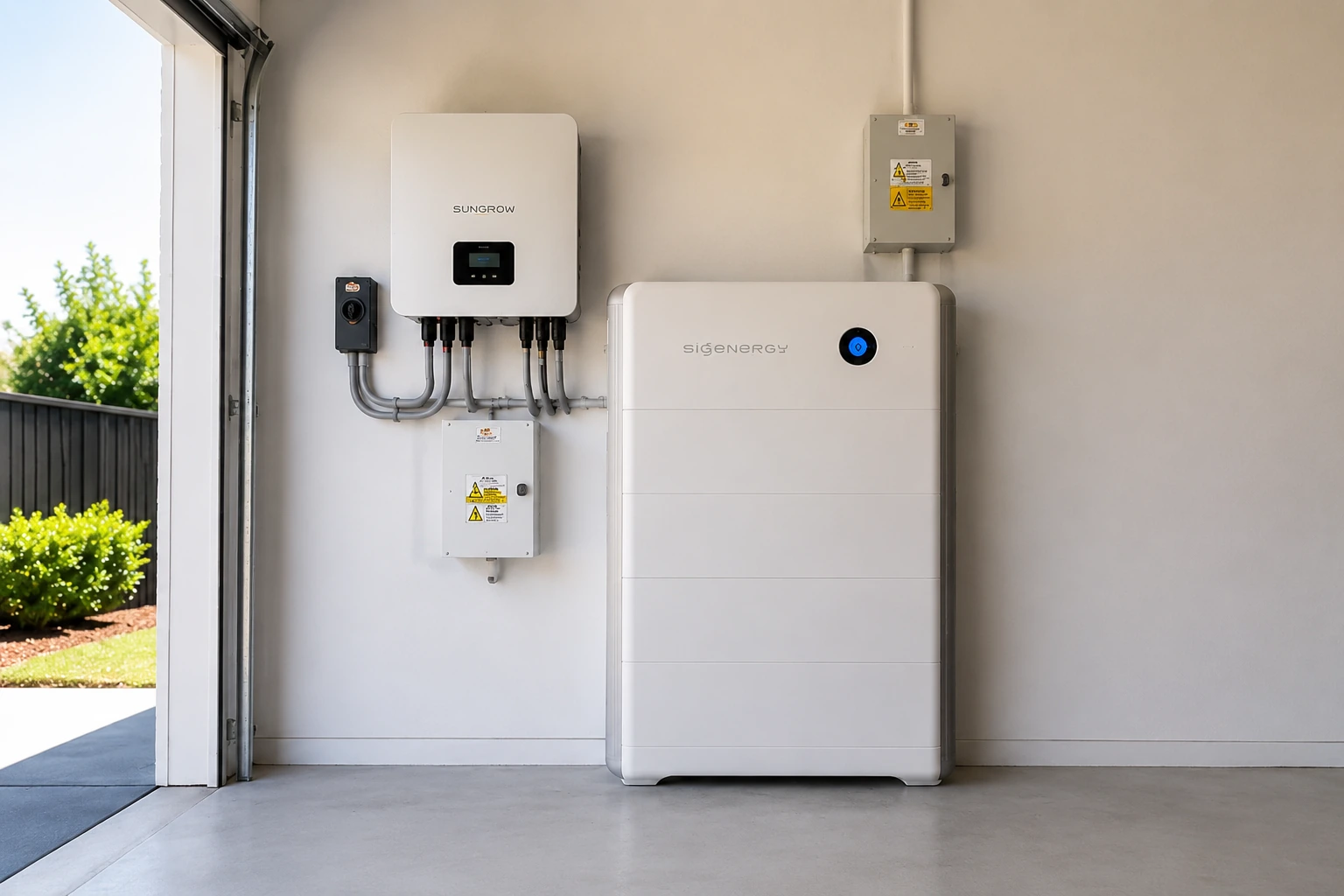
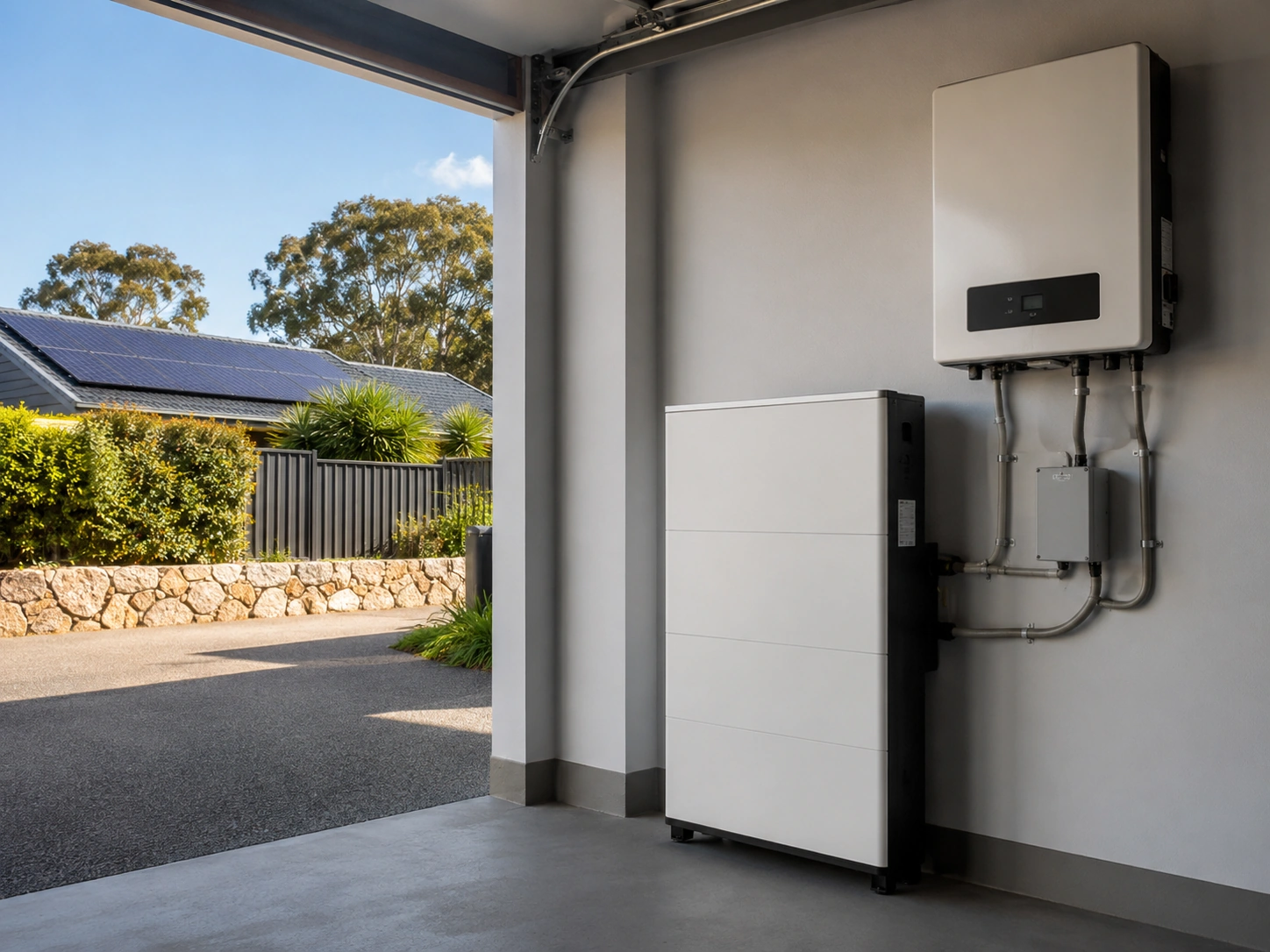
Installers focus on newer lithium battery designs that offer higher usable capacity, safer operation and smarter controls than older chemistries. These improvements directly affect how much energy a home can store, how long the battery will last and how simple the system is to manage day to day.
Older lead-acid batteries typically needed replacement every 3 to 7 years and could only use about half of their rated capacity without shortening their life. Modern lithium iron phosphate (LiFePO₄) batteries are designed to last 10 to 15 years or more with thousands of charge cycles.
This improvement comes from better cell chemistry and advanced battery management systems that carefully control charging and discharging. Homeowners benefit in several ways. They can use a deeper portion of the stored energy each day without harming the battery. Capacity loss is slower, so the system delivers more consistent backup power year after year. In many cases, warranties now cover 10 years of use or a defined number of cycles, helping protect the long-term investment.
The latest storage systems convert solar energy to stored electricity and back to household power with much less loss. Round-trip efficiency for quality lithium batteries is often 90 to 95%, which means more of the energy produced on the roof is actually available in the home.
At the same time, usable storage has increased. Modern systems are modular, so homeowners can choose a starting capacity that matches their essential loads, such as refrigeration, lighting, Wi-Fi and key outlets, then add more batteries later if their needs grow. Smart inverters also allow higher power output, helping run more appliances at once during an outage instead of limiting the home to just one or two circuits.
The biggest change most homeowners notice is how smart and connected new batteries have become. Integrated software monitors solar production, battery charge, grid status and home usage in real time, then automatically decides when to store power, when to use it and when to draw from the grid.
Through a mobile app, homeowners can see how much power their system is producing and using, set priorities for backup loads and even adjust how aggressively the battery should charge or discharge. Some systems can be configured to:
This level of control helps customers get more value from every kilowatt-hour of solar energy and makes the entire system feel more like an integrated home appliance than a separate technical add-on.
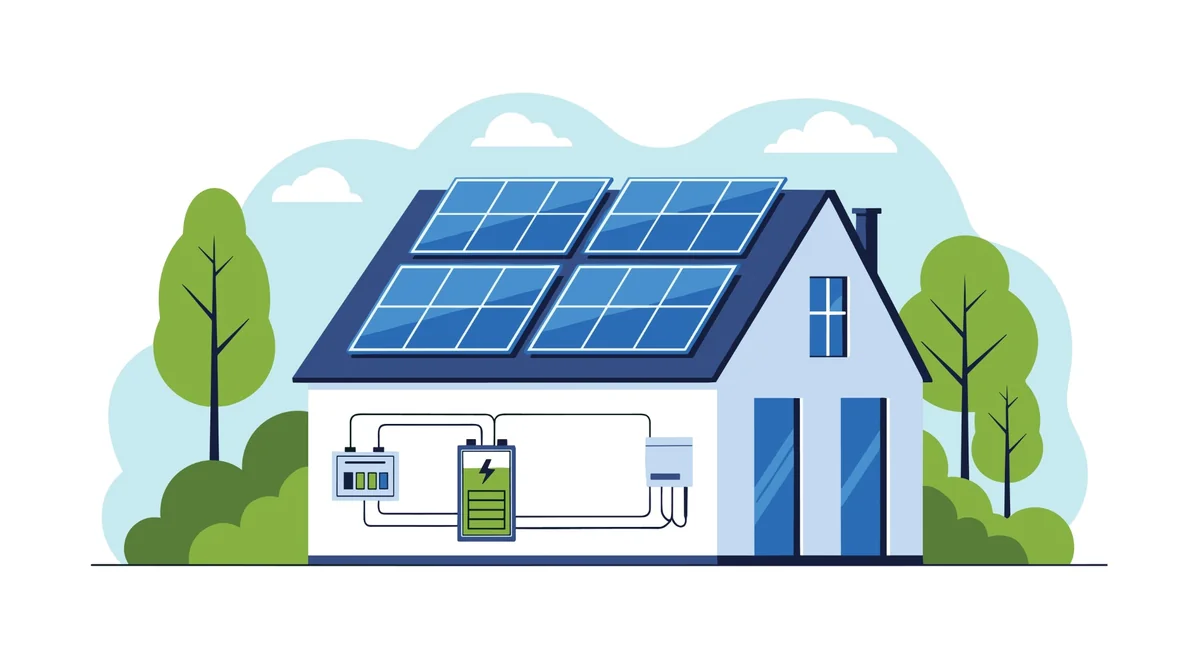
New solar battery technology is letting homeowners use more of their own solar power instead of relying on the grid. Instead of sending excess daytime energy away and buying it back at night for a higher price, households can now store that energy on site and use it whenever they need it.
Modern batteries are smarter, more compact and more efficient than earlier systems. They can automatically decide when to store power, when to power the home and when to support the grid during peak demand. This is transforming how families manage bills, prepare for outages and think about long-term energy independence.
The biggest change is how much solar energy a home can actually keep and use. In the past, many systems exported a large share of midday solar to the grid because the home did not need it at that moment. New lithium iron phosphate batteries, paired with intelligent inverters, now capture that extra power and hold it for the evening peak when lights, appliances and air conditioning are running.
This shift raises a home’s self-consumption rate, which is the percentage of solar power used on site instead of sent to the grid. A higher self-consumption rate typically means lower electricity bills, especially where utilities pay less for exported solar than they charge for grid power. Time-of-use rates make batteries even more valuable since stored solar can replace the most expensive peak-time electricity.
Another major change is the role of solar batteries as reliable backup power. Modern systems can detect an outage in a fraction of a second and isolate the home from the grid so that solar and battery power keep critical circuits running. Unlike older generator setups, there is no need for fuel storage, warm-up time or noisy operation.
Homeowners can choose which loads to back up, such as refrigerators, internet modems, medical devices, lighting and some heating or cooling. As battery capacities increase, many homes are moving from basic backup to multi-day resilience, where the combination of solar generation and storage can carry them through extended outages as long as the sun is available.
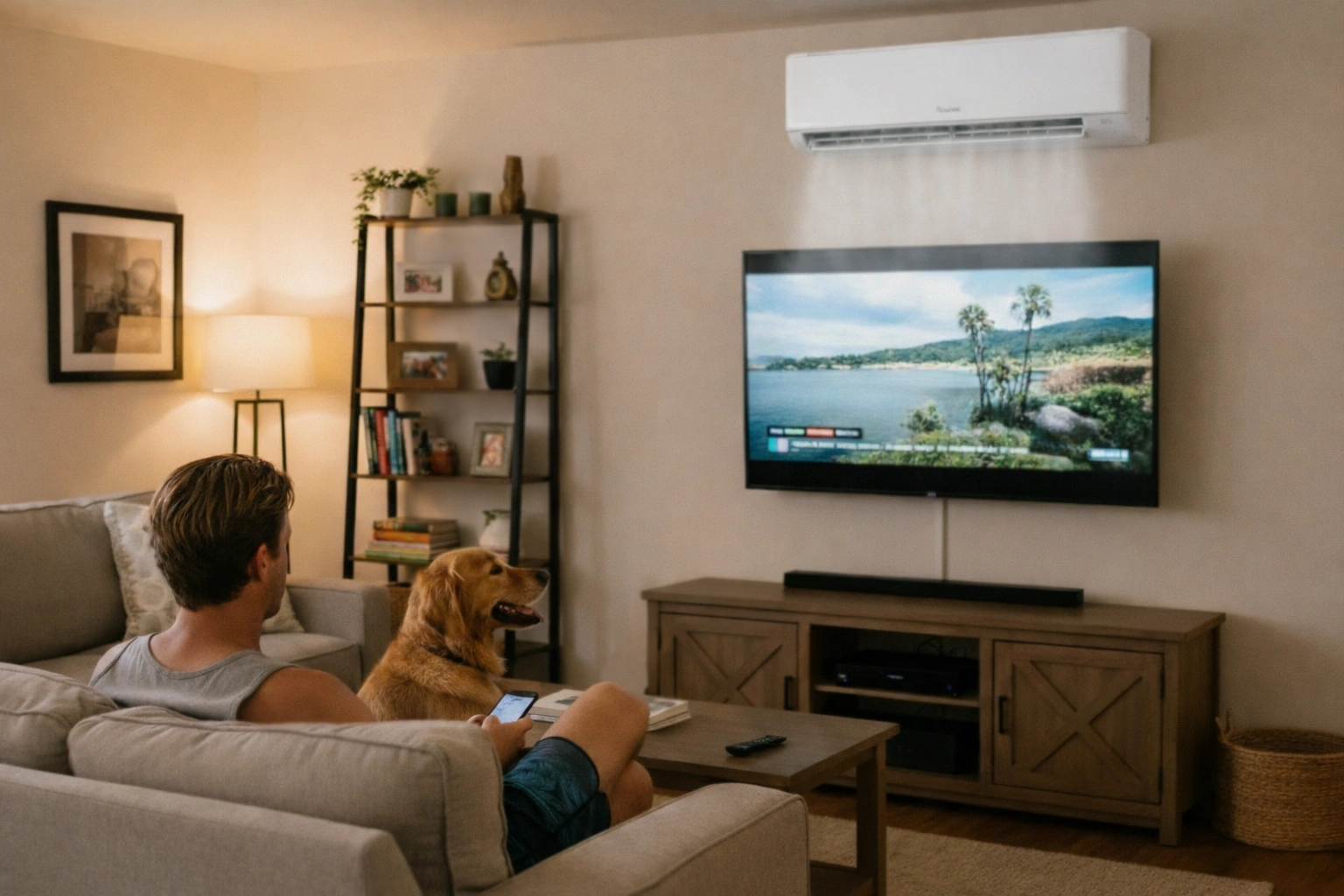
New solar batteries are also reshaping how homes interact with the grid. Advanced systems use software to forecast solar production and household usage, then automatically charge and discharge at the best times. Some can be integrated with smart thermostats, electric vehicle chargers and flexible loads, like pool pumps, to coordinate energy use around solar availability and battery status.
Utilities in some regions are beginning to offer virtual power plant programmes where enrolled batteries help stabilise the grid during high-demand events. In these setups, the battery shares a portion of its stored energy for short periods in exchange for bill credits or incentive payments. This allows homeowners to earn additional value from their system while still keeping backup power available for their own needs.
Before adding a battery to an existing solar system or upgrading an older unit, homeowners should understand how batteries will be used, how they are sized and what they will realistically deliver. Installers help customers look beyond marketing claims to match storage technology with their home energy goals, budget and local utility rules.
The right battery setup can provide backup power during outages, reduce grid reliance and cut electric bills. The wrong setup can cost more than it saves or fail to support essential loads. A bit of planning up front avoids expensive surprises later.
The first step is deciding what the battery must do most of the time. Common priorities include:
For backup, the homeowner should list which circuits are critical, such as refrigerators, Wi-Fi, medical devices, well pumps or heating controls. Installers can design a backup loads subpanel so the battery is not trying to power the entire house, which would require a much larger and more expensive system.
If bill savings are the focus, the company will review the utility rate plan to see how much can be saved by charging from solar at midday and discharging during peak pricing in the evening. In some regions, batteries mainly protect against rate changes and future-proof the system rather than delivering huge immediate savings.
Battery capacity is measured in kilowatt hours, indicating how much energy it can store. Power rating, measured in kilowatts, determines how many devices it can run at once. Both are important when designing a system.
A typical single-home battery might provide 10 to 15 kilowatt hours of usable storage and 5 to 10 kilowatts of power. That is usually enough to keep essential loads running for many hours, but not to operate electric ovens, air conditioning and EV charging all at once. In homes where whole-home backup is desired or where there are large electric loads, multiple battery units may be recommended.
Homeowners should also check compatibility with the existing solar inverter. Some batteries are AC-coupled and can work with many existing systems, while others are DC-coupled and perform best when installed with a new inverter. A licensed installer can confirm whether additional equipment is required, such as a new inverter, smart switch or upgraded electrical panel.
The upfront price is only part of the picture. A quality lithium iron phosphate battery typically offers 6000 to 10000 cycles and a 10- to 15-year warranty. Homeowners should look at:
Installers also help customers factor in potential incentives such as federal tax credits and any state or utility rebates, which can significantly lower net cost.
The latest solar battery technologies are expanding what homeowners can realistically achieve with rooftop solar. Improvements in lithium chemistries, hybrid inverters and smart energy management now allow households to store more of their own generation, use it strategically during peak pricing and maintain critical loads during outages. Higher cycle life and improved monitoring tools are making storage systems more reliable and easier to manage over time.
As technology continues to evolve and incentive structures change, the key question is not simply whether to install a battery, but how to size and configure a system that aligns with your home’s energy use, backup priorities and long-term financial goals.