Quality Solar Installations

0412 534 880
Discover how next-generation solar batteries improve energy independence through smarter technology, incentives and long-term savings for NSW homeowners.
As energy prices fluctuate and grid reliability becomes an ongoing concern, more Australian households are looking for ways to take control of their power supply. Solar storage has quickly shifted from being a “nice-to-have” to a strategic home investment, especially for families wanting predictable energy costs and resilience during outages. For homeowners exploring solar batteries in the Central Coast, the conversation is no longer just about storing excess solar power. Homeowners are now focused on system performance, battery longevity and how effectively their solar setup reduces reliance on the grid. At Freedom Solar & Batteries, we work closely with NSW homeowners and see how next-generation battery systems deliver practical, day-to-day benefits that extend well beyond bill savings.
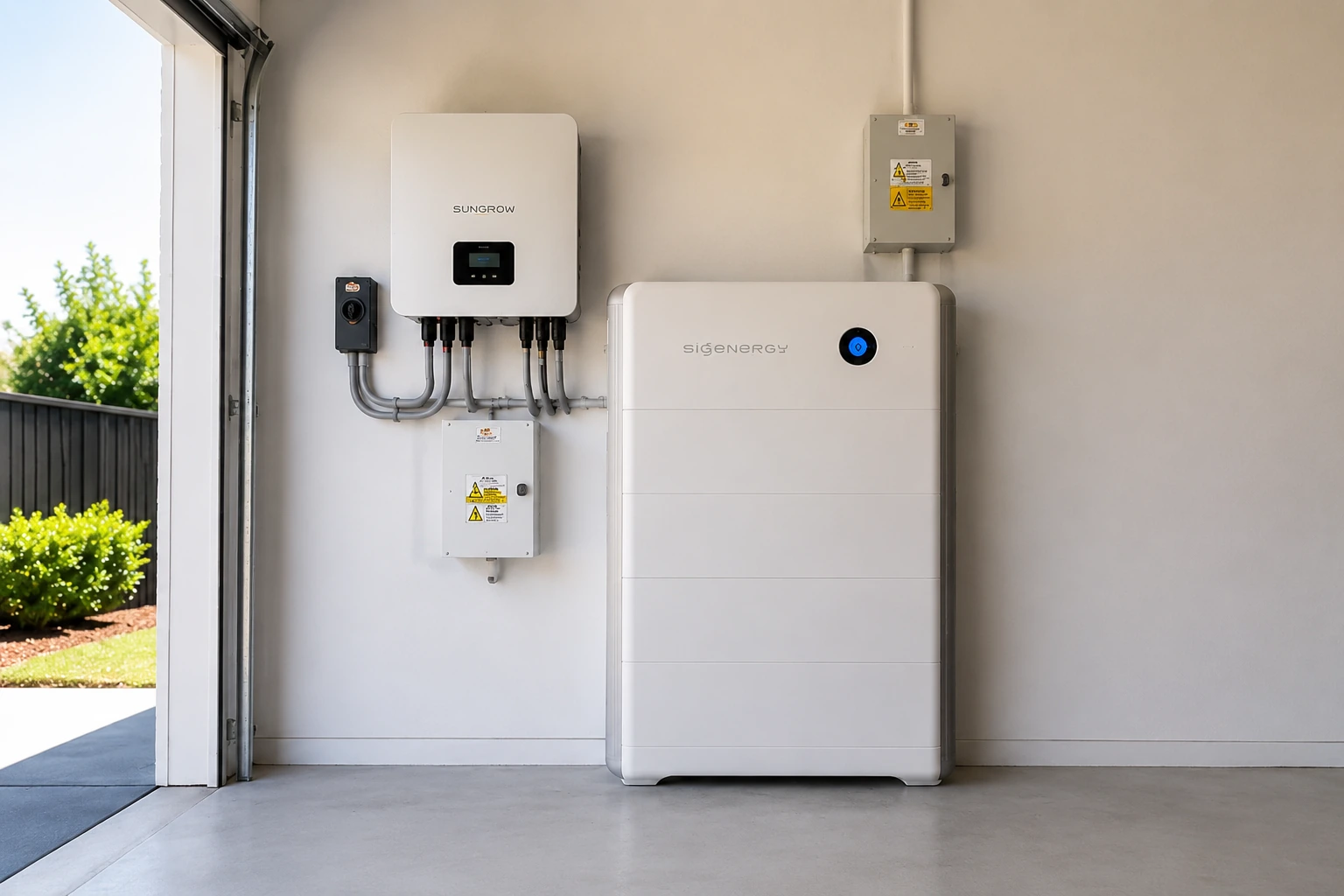
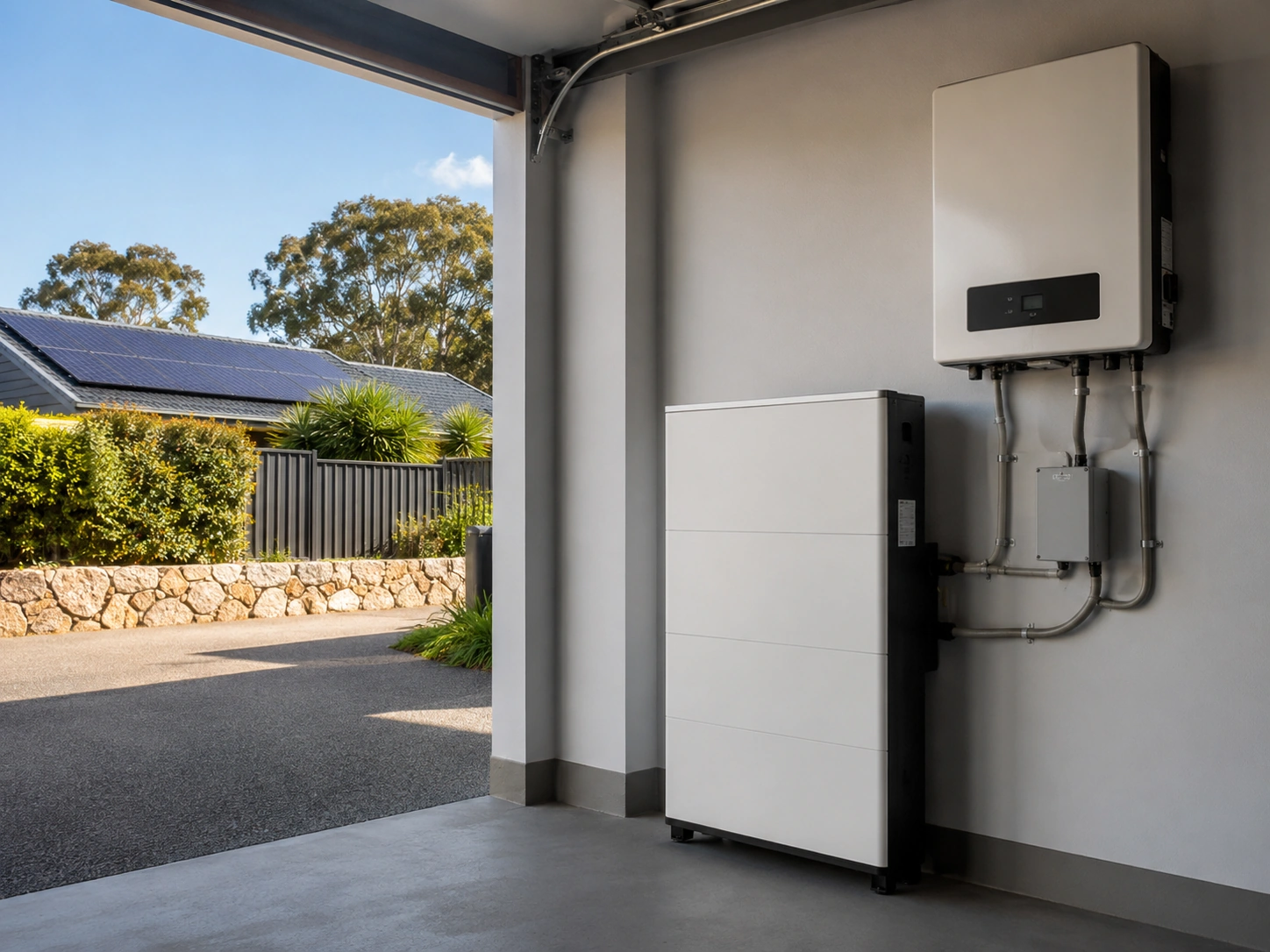
Home battery systems have evolved rapidly in the past few years. What was once bulky, limited-capacity storage is now compact, intelligent and designed to integrate seamlessly with modern solar systems. This shift has made energy independence achievable for everyday households, not just early adopters. Rather than functioning as simple storage, modern batteries actively support how energy is supplied and used throughout the home.
Lithium-ion batteries continue to dominate the residential solar market, and for good reason. After years of refinement, lithium-ion technology now offers a proven balance of performance, lifespan and reliability for Australian homes, with the ability to charge and discharge daily without performance loss. This makes them ideal for households aiming to maximise self-consumption of solar energy. Advantages include:
While lithium-ion leads the market, emerging battery technologies are generating interest, particularly sodium-ion batteries. These alternatives are being developed to address future concerns around material availability, cost stability and sustainability. Sodium-ion batteries show promise because sodium is more abundant and potentially cheaper than lithium. However, these technologies are still in early commercial stages and are not yet widely deployed in Australian residential systems. Current limitations:
One of the biggest advancements in next-generation solar batteries is the focus on safety and durability. Early battery systems raised concerns about overheating and degradation, but these improvements are reflected in how today’s batteries are designed, including:
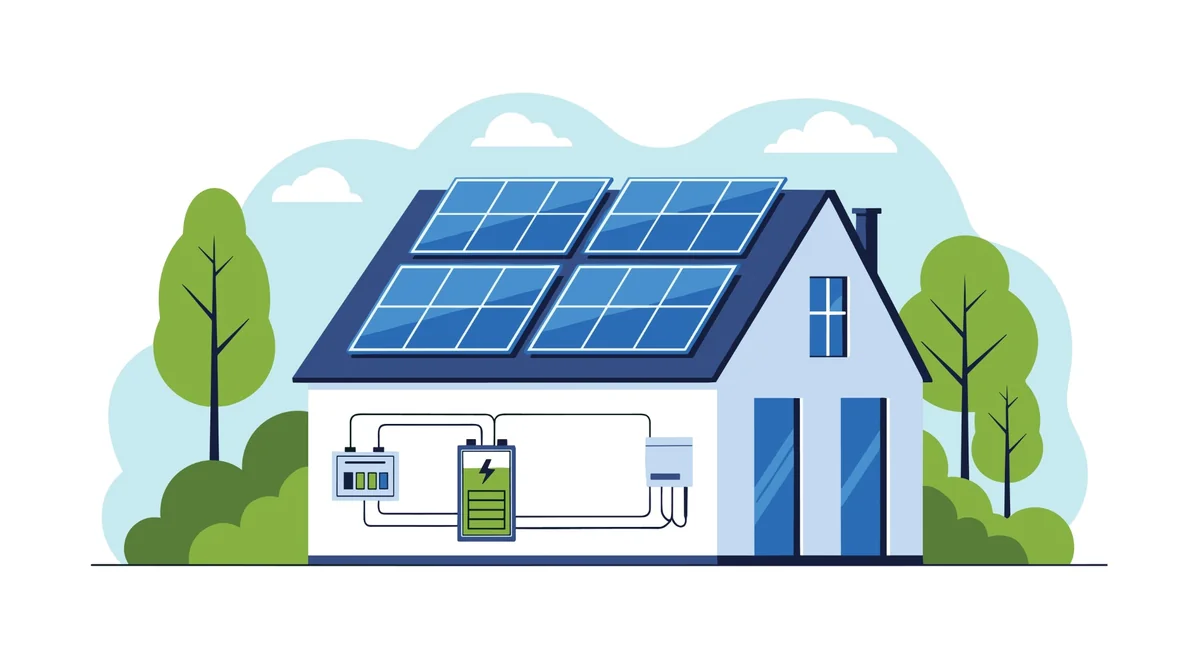
Battery technology alone doesn’t deliver energy independence; how the system integrates with your solar setup is just as important. Modern solar battery systems are designed to operate as a single, coordinated setup, ensuring solar generation, storage and household usage work efficiently together throughout the day. This smarter integration ensures homeowners get consistent performance without needing to constantly manage their system manually.
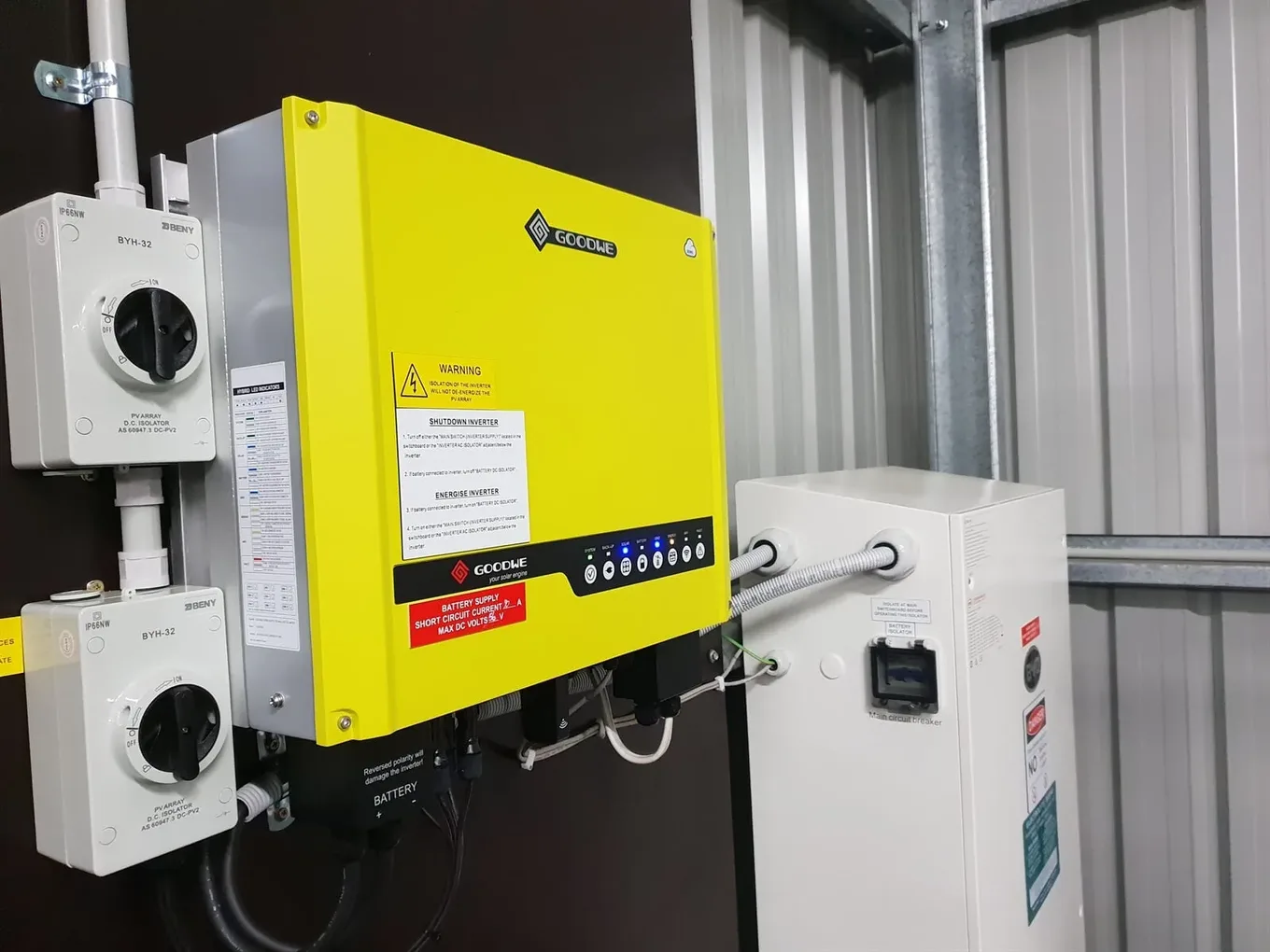
Hybrid and smart inverters play a far more active role in modern solar battery systems than many realise. Rather than simply converting solar energy into usable household power, today’s inverters act as intelligent energy managers. They continuously assess how much electricity your home is producing, how much is being used and where surplus energy should be directed at any given moment. This real-time decision-making is what allows next-generation battery systems to deliver consistently high efficiency throughout the day, not just during peak sunlight hours.
By coordinating the interaction between solar panels, batteries and the grid, hybrid and smart inverters ensure energy is always flowing in the most efficient direction, reducing waste and increasing overall system performance. These inverters can:
One of the biggest advantages of modern solar battery systems is the transparency they give homeowners over their energy usage. Monitoring apps give homeowners clear visibility into how their solar system performs, showing when energy is generated, stored and drawn from the grid. This insight helps households naturally adjust energy habits to better align with solar production, increasing self-consumption and reducing reliance on grid electricity. With monitoring tools, homeowners can:
For those who already have solar installed, adding a battery isn’t always a plug-and-play upgrade. Every solar system has its own design limitations and performance characteristics, which is why compatibility is a critical part of any successful battery installation. While next-generation batteries are more flexible than earlier models, careful assessment is still essential to ensure they integrate properly with existing equipment.
A well-matched system allows the battery to enhance performance, extend system life and avoid unnecessary upgrades. Without proper compatibility checks, even high-quality batteries can underperform or create inefficiencies. Important factors include:
While technology has advanced, affordability and accessibility are what truly drive widespread adoption. In NSW, a combination of government programmes and innovative energy models is making battery storage far more achievable for everyday households. These initiatives are accelerating the shift towards energy independence across regional and coastal communities.
The 2025 Cheaper Home Batteries Program has been designed to reduce upfront costs and encourage more Australians to invest in storage. By lowering financial barriers, the programme helps households access modern battery systems sooner rather than later. Here are some of its benefits:
Virtual power plants offer another pathway to affordability while supporting grid stability. By connecting home batteries into a shared network, households can earn incentives for exporting stored energy during peak demand periods. VPP participation allows homeowners to benefit financially while still maintaining access to their own stored power. Potential advantages:
Payback periods for home batteries depend on several local factors, including electricity tariffs, solar generation levels and household consumption patterns. For Central Coast homes, strong solar output and rising energy costs often improve long-term returns. When assessing payback, it’s important to consider:
Next-generation solar batteries give homeowners practical control over how and when their energy is used. With advances in battery chemistry, smarter inverter technology and improved system integration, modern storage solutions now deliver reliable performance, greater safety and longer lifespans. Combined with government incentives and evolving energy programmes, batteries have become a practical pathway towards energy independence rather than a distant goal. If you’re ready to reduce grid reliance and make your solar system work harder for your household, speak with us here at Freedom Solar & Batteries today to explore your options and take the next step towards true energy independence.