Quality Solar Installations

0412 534 880

Solar batteries can provide backup power during blackouts when the system is correctly designed, sized and configured for essential household loads.
When the grid goes down, many households want to know whether their solar battery will actually keep the lights on. With properly designed solar batteries in Central Coast homes, it is possible to maintain power to essential appliances during storms, network faults and planned outages instead of being left completely without electricity. However, blackout protection depends on more than simply having a battery installed. The system must include the right inverter, backup configuration and circuit design to operate safely when the grid is unavailable.
Freedom Solar & Batteries explains how solar batteries perform during blackouts, what they can realistically power, how long backup power may last and why not every solar and battery system is automatically capable of keeping a home running during an outage.
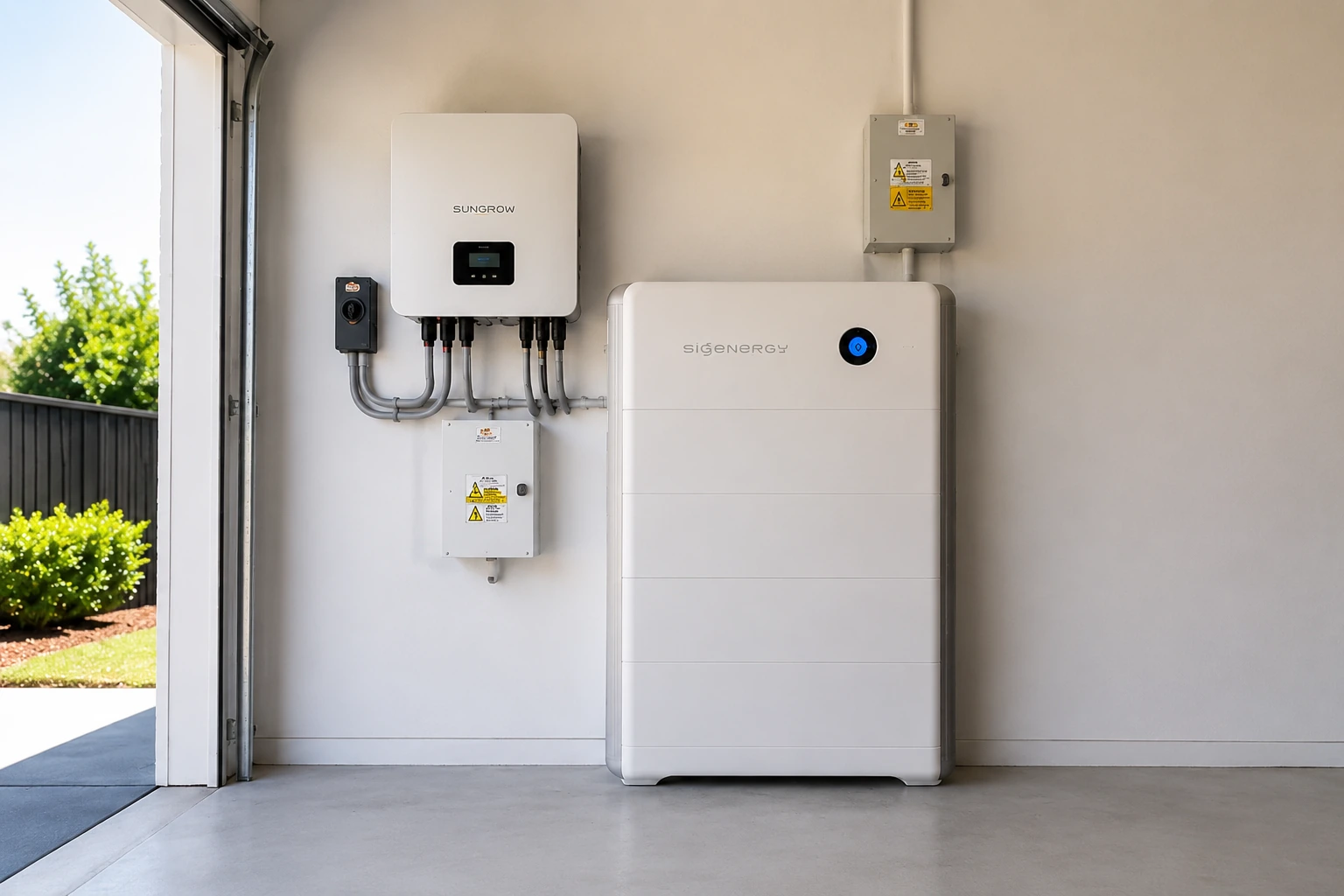
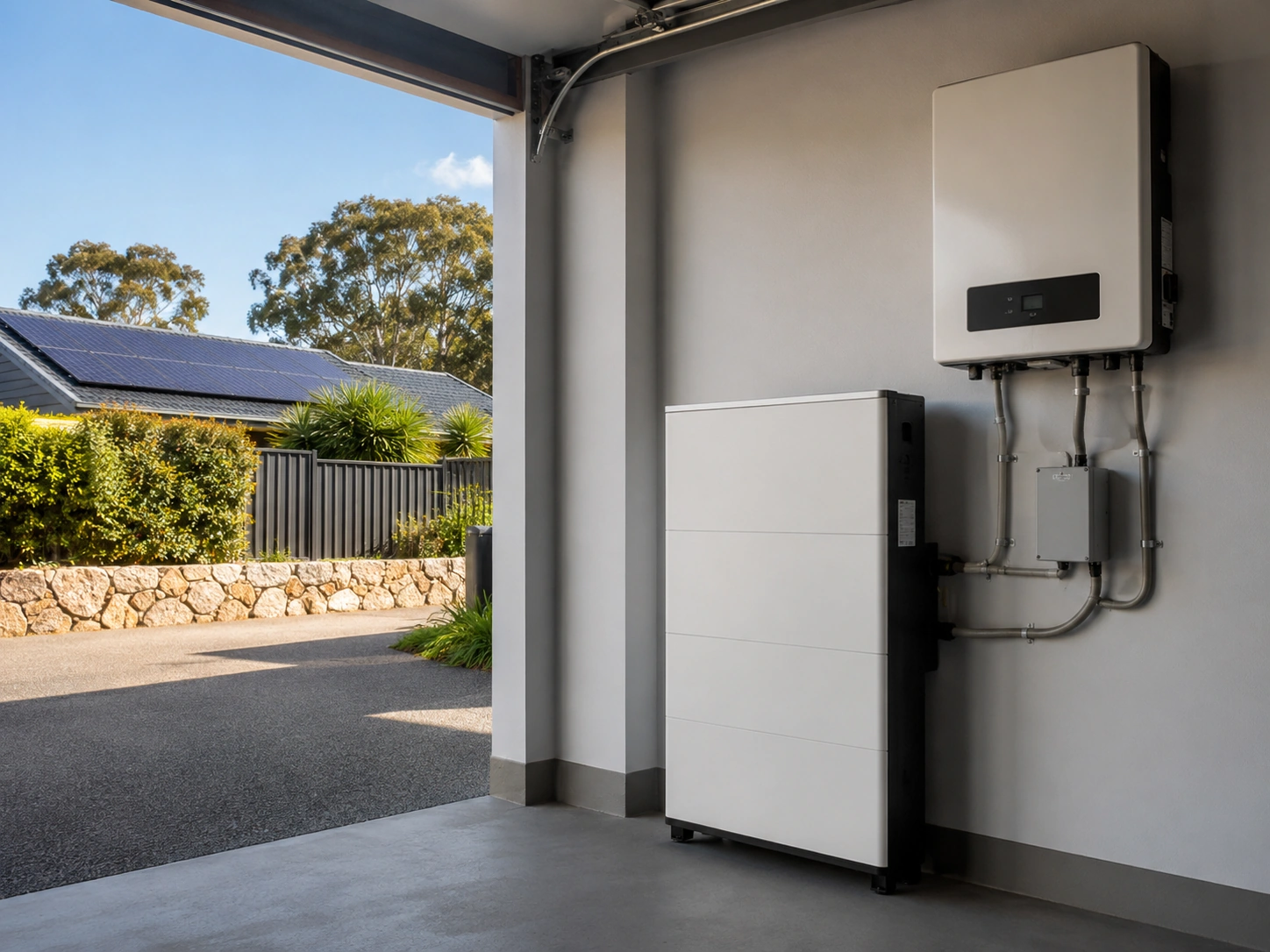
During a blackout, a backup-capable solar battery system detects the loss of grid power and automatically switches selected parts of the home to battery power. This allows essential appliances and circuits to keep operating without needing to manually start a generator or handle fuel.
The battery does not work alone. The inverter and backup equipment are what allow the system to operate safely when the grid is unavailable. When the grid fails, the inverter isolates the home from the electricity network so power is not sent back into lines that may be under repair. It can then draw stored energy from the battery and, if daylight is available, use solar generation to help power the home and recharge the battery.
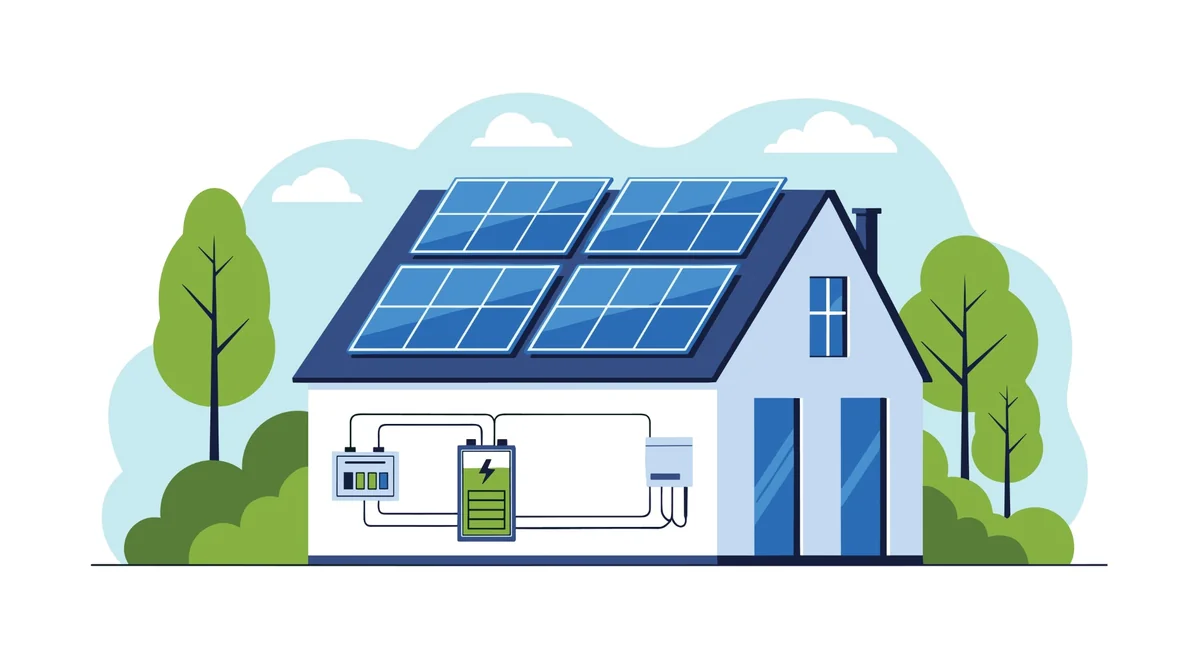
In this backup mode, power usually flows in a simple order. Solar panels produce electricity when the sun is out, the inverter sends that power to active household loads, any excess solar charges the battery and the battery supplies extra power when household use is higher than solar production. At night or during heavy cloud, the home relies more heavily on stored battery energy.
When grid power returns, the system senses that the electricity supply has stabilised and reconnects the home to the grid. The battery then returns to its normal role, such as supporting self-consumption, reducing grid reliance or helping manage electricity costs.
Many homeowners assume that installing a solar battery means the home will automatically stay powered during a blackout. In reality, this is not always the case. A solar battery must be installed with the correct backup hardware, inverter capability and electrical configuration to operate when the grid is down.
Most standard residential solar systems are grid-tied. They are designed to shut down during a blackout for safety reasons. This prevents solar power from feeding back into the electricity network while utility crews may be working on power lines. This safety feature is known as anti-islanding protection.
If a battery is connected to a basic grid-tied system without proper backup capability, the system may still shut down when the grid fails. In this type of setup, the battery is mainly used for self-consumption and bill savings rather than emergency power.
A true backup system usually requires:
Without these elements, a solar and battery system may not be able to create its own safe power supply during an outage.
The way a battery system is wired determines what will actually stay on during a blackout. Most homes are designed with either whole-home backup or essential-circuit backup.
Whole-home backup is designed so the battery system can supply every circuit in the main electrical panel when the grid is unavailable. This provides the closest experience to normal electricity use because lights, power points and appliances across the home may continue working. However, it requires a larger battery capacity, higher inverter output and careful load management.
Large appliances such as ducted air conditioning, electric ovens, electric hot water systems, pool pumps and EV chargers can place heavy demand on the battery. If several of these run at once, the battery may drain quickly or exceed the inverter’s output limits. For this reason, whole-home backup often requires multiple batteries or a larger system design.
Essential-circuit backup is more common for many households. In this setup, only selected circuits are connected to a backup loads panel. These are usually the circuits that matter most during an outage, such as refrigeration, lighting, internet, security systems and a few key power points.
This approach helps the battery last longer because stored energy is not being used across the entire home. It can also reduce installation complexity and cost while still providing reliable blackout protection for the most important household needs.
A solar battery can support essential household circuits during a blackout, but it should not always be expected to run the entire home as though the grid is still available. What it can power depends on the battery size, inverter rating, solar generation, backup configuration and how much electricity the household is using at the time.
Common essential loads may include:
A single 10 to 13 kWh battery can often support these essentials overnight if high-draw appliances are avoided. However, actual runtime varies depending on household use, battery settings and weather conditions.
Appliances with heating elements or large motors usually place much higher demand on a battery. Electric ovens, clothes dryers, electric hot water systems, large pumps and ducted air conditioning can quickly drain stored energy or exceed the inverter’s output capacity. These appliances may need to be excluded from backup circuits unless the system is specifically designed to support them.

A solar battery may keep essential circuits running for several hours, overnight or even across multiple days when supported by daytime solar production. The exact backup duration depends on three main factors: battery capacity, household load and solar generation during the outage.
Battery capacity is measured in kilowatt-hours. A 10 kWh battery can theoretically provide 1 kilowatt of power for 10 hours, although real-world usable capacity is usually lower because batteries are designed to retain a reserve and avoid full discharge. System efficiency and battery protection settings also affect available runtime.
Household load has the biggest impact. A home using only a fridge, a few lights, Wi-Fi and device charging may get much longer backup time than a home running air conditioning, cooking appliances or pumps. Careful energy use during a blackout can make a major difference.
During a daytime outage, solar panels may supply household loads and recharge the battery if the system is designed for backup operation. This can extend runtime significantly, especially in sunny conditions. At night, the home relies entirely on stored energy, so usage needs to be managed more carefully.
As a general guide, a correctly sized battery used for essential loads may last through the night and into the next day. With good solar production and sensible energy use, some homes may manage longer outages without needing a generator.
Solar panels can recharge a battery during a blackout, but only if the system has been designed to operate in backup mode. Not every solar installation can do this.
In a standard grid-tied solar system, the inverter usually shuts down when the grid fails. This is required for safety because the system must not send electricity back into power lines during an outage. Even if the sun is shining, a basic grid-tied system may not continue producing usable power for the home.
A backup-capable hybrid inverter works differently. Once the home is safely isolated from the grid, the inverter can create a stable local power supply for the backed-up circuits. Solar energy can then be used to supply active loads and recharge the battery. If solar production is higher than the home can use or the battery can accept, the inverter manages output to keep the system balanced.
This is one of the main reasons system design matters. A battery installed for bill savings may not behave the same way as a battery installed for blackout protection. Homeowners who want backup power should confirm whether their system can recharge from solar while the grid is down, not just whether it includes a battery.
Before installing a solar battery for blackout protection, it is important to confirm what the system is expected to do. A battery chosen only for everyday electricity savings may not be large enough or configured correctly for backup use.
The first step is deciding which appliances and circuits must stay on during an outage. For many households, this means refrigeration, lighting, internet, phone charging, security and any important medical or mobility equipment. High-demand appliances should be discussed carefully because they may require a larger battery, higher inverter output or a whole-home backup design.
The existing switchboard also needs to be assessed. A qualified installer or electrician must confirm whether there is enough space and capacity for new circuit breakers, isolators, backup equipment and any essential-load circuits. Older or unsafe switchboards may need upgrades before a battery can be installed.
Other important checks include:
This planning stage is essential because backup performance depends on the whole system, not just the battery itself.
A solar battery can provide valuable protection during blackouts, but only when the system is designed with backup power in mind. The right setup can keep refrigeration, lighting, internet and other essential services operating through grid failures, while larger systems may support more of the home for longer periods.
The most reliable results come from realistic load planning, suitable battery capacity, the right inverter and a clear decision between whole-home and essential-circuit backup. With professional design and installation, solar plus storage can provide more than everyday energy savings. It can give households greater resilience, more control and stronger protection when the grid is unavailable.