Quality Solar Installations

0412 534 880

Discover how adding a battery to your solar system can lower energy bills, improve independence and provide backup power during outages.
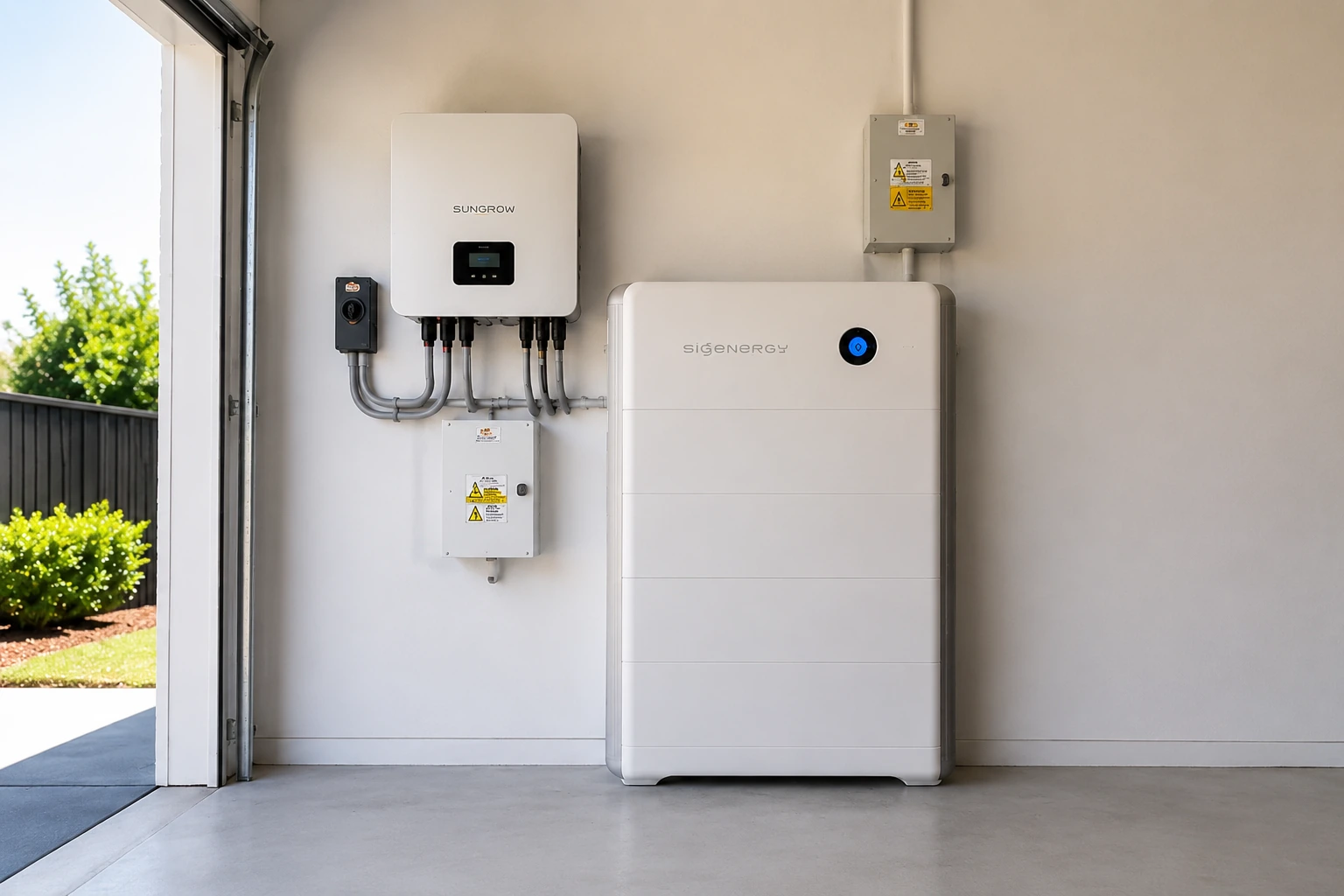
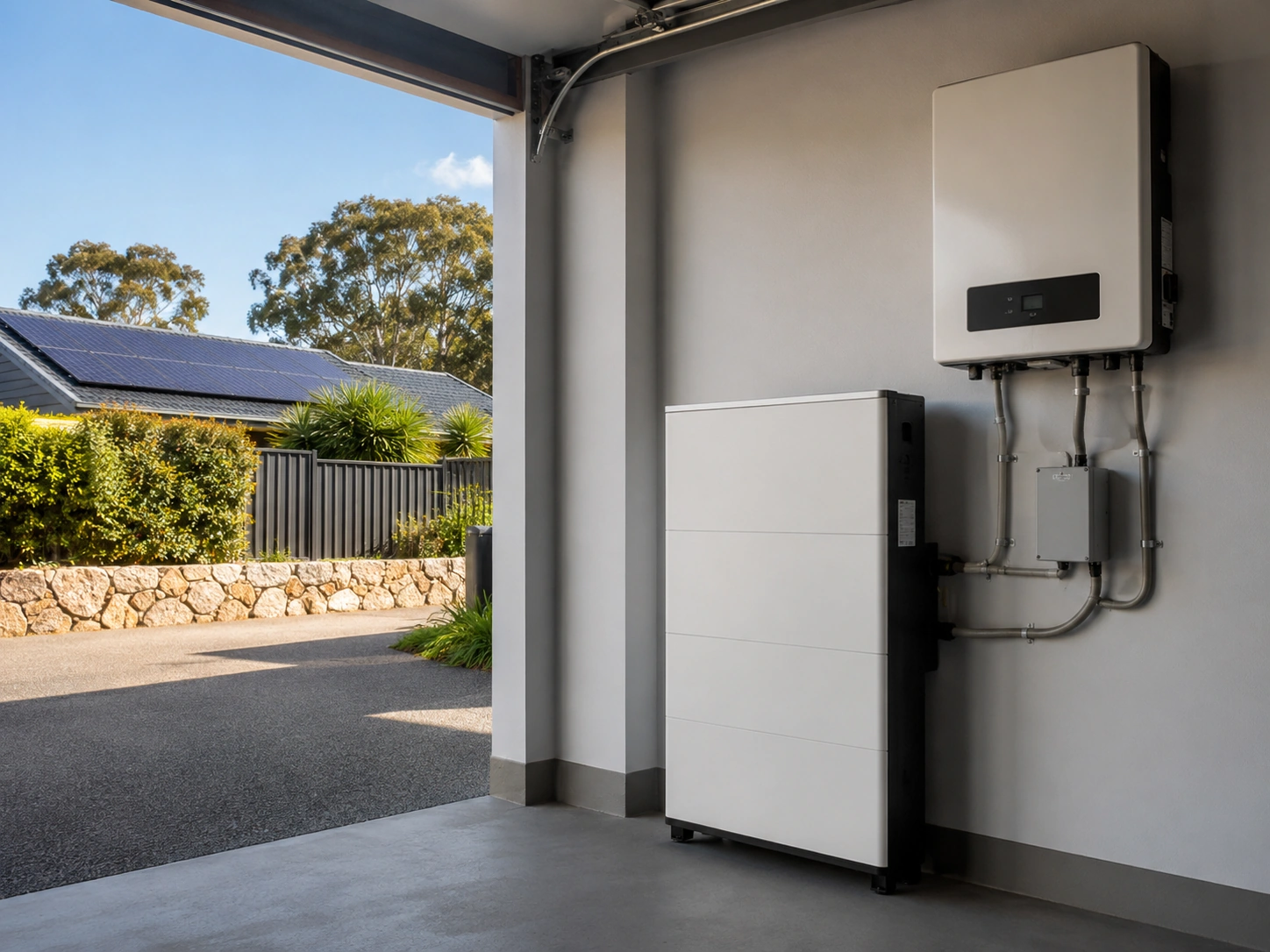
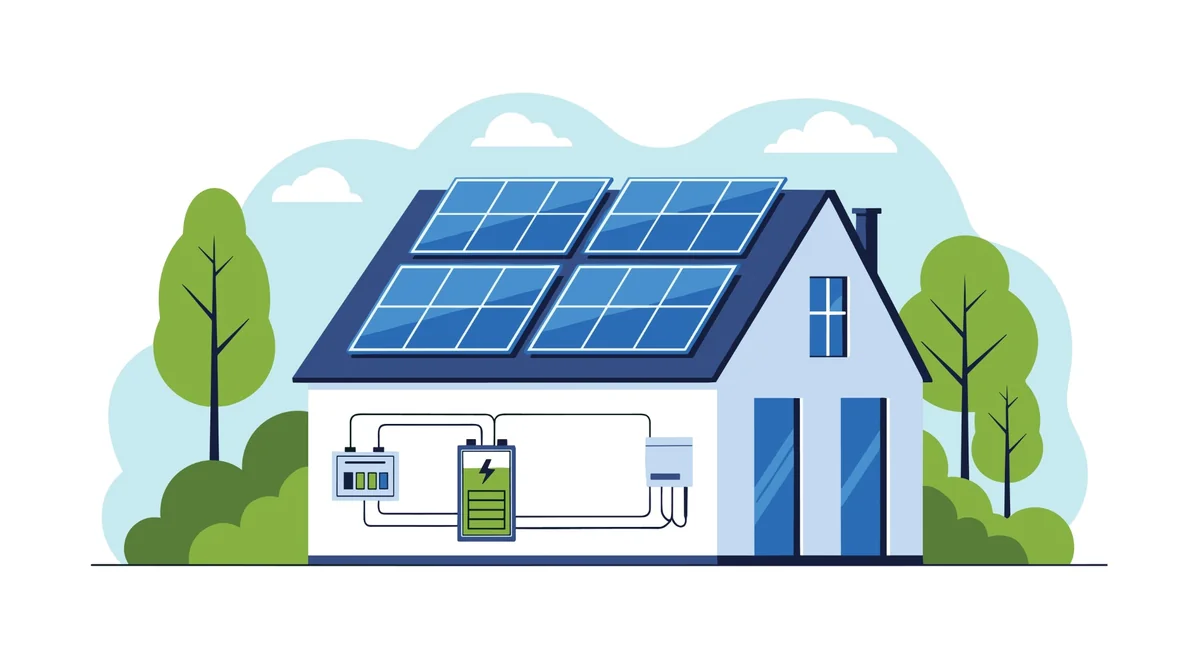
Our team at Freedom Solar & Batteries speaks with homeowners who want more control over their energy use and fewer surprises on their power bills. Adding storage to an existing setup gives households at the Central Coast the chance to use more of the energy they already produce instead of sending it back unused. It also creates a sense of confidence during outages and peak pricing periods when power costs often rise. From our experience, planning early with your solar batteries in Central Coast makes the upgrade smoother and far more effective.
Many people assume an upgrade means starting from scratch, but that rarely reflects reality. Most existing setups can support storage with the right checks and a few targeted updates. The key lies in understanding compatibility or capacity and how everything works together in the home. A clear plan keeps costs predictable and avoids unnecessary changes.
Before any storage upgrade moves forward, the current setup needs a proper assessment from both a performance and safety point of view. Small details like inverter type and switchboard condition can influence the final design more than panel age. Addressing readiness early helps prevent delays and unexpected costs later in the process. A careful review also ensures the system meets Australian standards from day one.
Inverters sit at the centre of any energy system and play a major role in determining how easily a battery can be added. Some homes already have flexible equipment that supports storage with minimal changes. Others may require an additional device to manage charging and discharging. Knowing the difference saves time and avoids rework.
Age alone does not rule out adding storage, but older setups sometimes need extra attention before the upgrade proceeds. Electrical components degrade over time, and newer technology often requires updated protection measures. A few adjustments can bring everything up to modern expectations. This preparation stage protects both performance and safety.
Electrical safety plays a critical role when storage is introduced into a household energy setup. Batteries add new power flows that must be controlled correctly at all times. Australian rules focus on reducing fire risk and ensuring safe isolation during maintenance or emergencies. A compliant foundation keeps the home protected for years.
Storage selection works best when it reflects how a household actually uses energy rather than chasing maximum capacity. Daily habits or seasonal changes and future plans all influence the right choice. A well-matched battery delivers better value and more consistent performance over time. Thoughtful selection avoids overspending on unused capacity.
Correct sizing starts with understanding how much energy the home uses and when that use occurs. Evening demand often drives the need for storage more than daytime activity. Reviewing bills and monitoring data creates a clearer picture of actual needs. Rightsizing improves return on investment.
Modern storage solutions focus heavily on lithium-based chemistry due to reliability and efficiency. These batteries deliver strong performance with compact designs that suit residential spaces. Ongoing development continues to improve safety and lifespan. Staying informed helps future-proof the investment.
Compatibility extends beyond the inverter and into how the battery communicates with existing components. Smooth integration supports accurate monitoring and reliable operation. Matching systems also reduces troubleshooting issues down the track. Consistency improves long-term reliability.
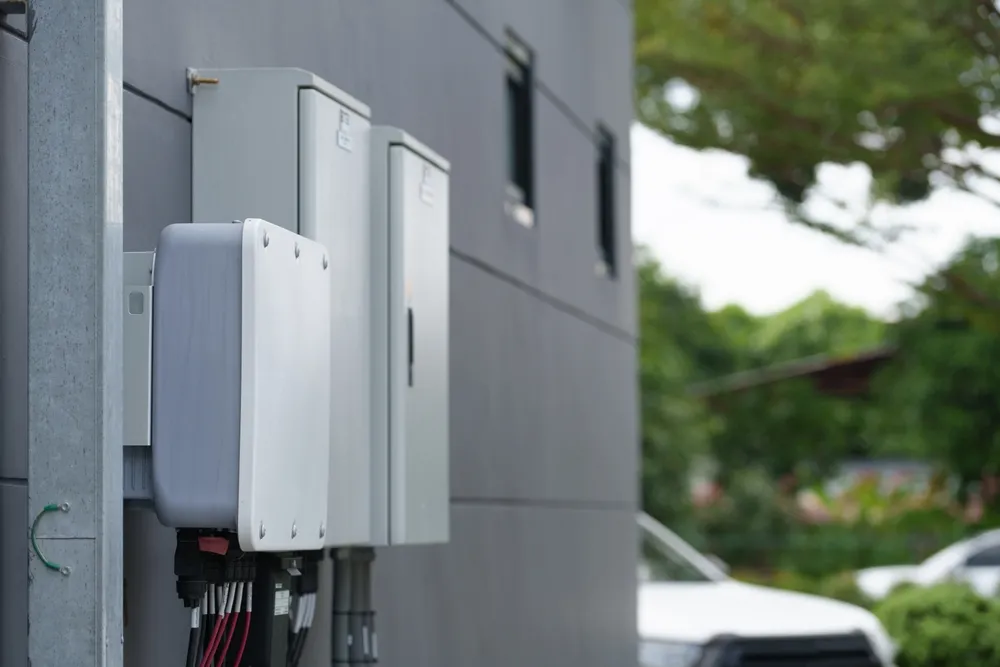
Understanding the installation process helps homeowners feel more confident about the upgrade. Most projects progress quickly when preparation is complete. Clear communication keeps disruption to a minimum. Knowing the steps removes uncertainty.
Connection methods depend on inverter type and system layout within the home. Installers focus on safe integration without interrupting daily energy use. The goal remains seamless operation from the first day. A well-executed connection supports stable performance.
Modern systems include tools that help households understand and control energy use in real time. Clear data encourages smarter habits and better savings. Monitoring also helps identify issues early. Easy access supports confidence.
Financial planning remains an important part of any storage upgrade. Costs vary based on capacity or installation complexity and equipment choice. Incentives can reduce upfront expense when available. Clear expectations help households plan confidently.
Adding storage to an existing setup creates long-term value when planned carefully and installed correctly. From readiness checks to system selection, every step influences performance and safety. Clear goals lead to better outcomes and smoother operation. A thoughtful approach turns stored energy into everyday comfort and reliability.
Freedom Solar & Batteries focuses on making upgrades practical and tailored to real household needs. Experience shows that preparation and compatibility matter just as much as capacity. With the right choices in place, homes gain better control over energy use while and future changes become easier to manage. Storage upgrades work best when they feel like a natural extension of what already exists.