Quality Solar Installations

0412 534 880
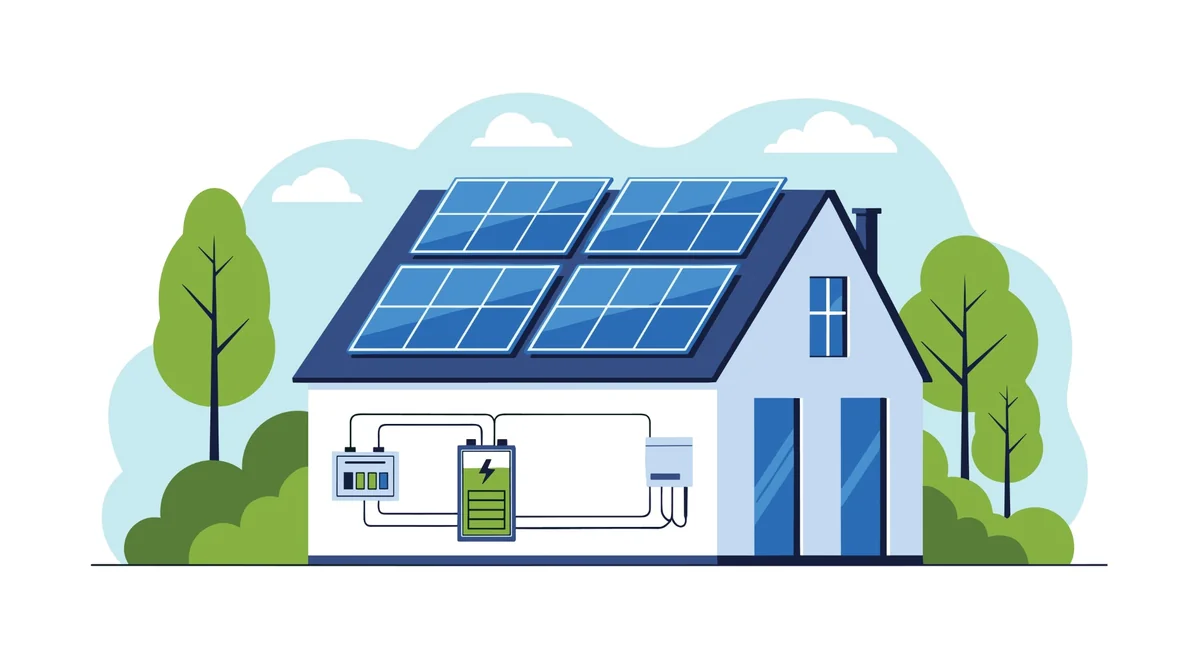
When a solar battery is full, excess power may be exported, curtailed or redirected to home energy use. Here’s how each option affects savings and system performance.
When a solar battery reaches full charge, many homeowners wonder what happens to the extra energy their panels continue to produce. For households considering solar batteries in Central Coast homes, understanding this process can help explain system performance, electricity bill savings and the value of storing, using or exporting surplus solar power.
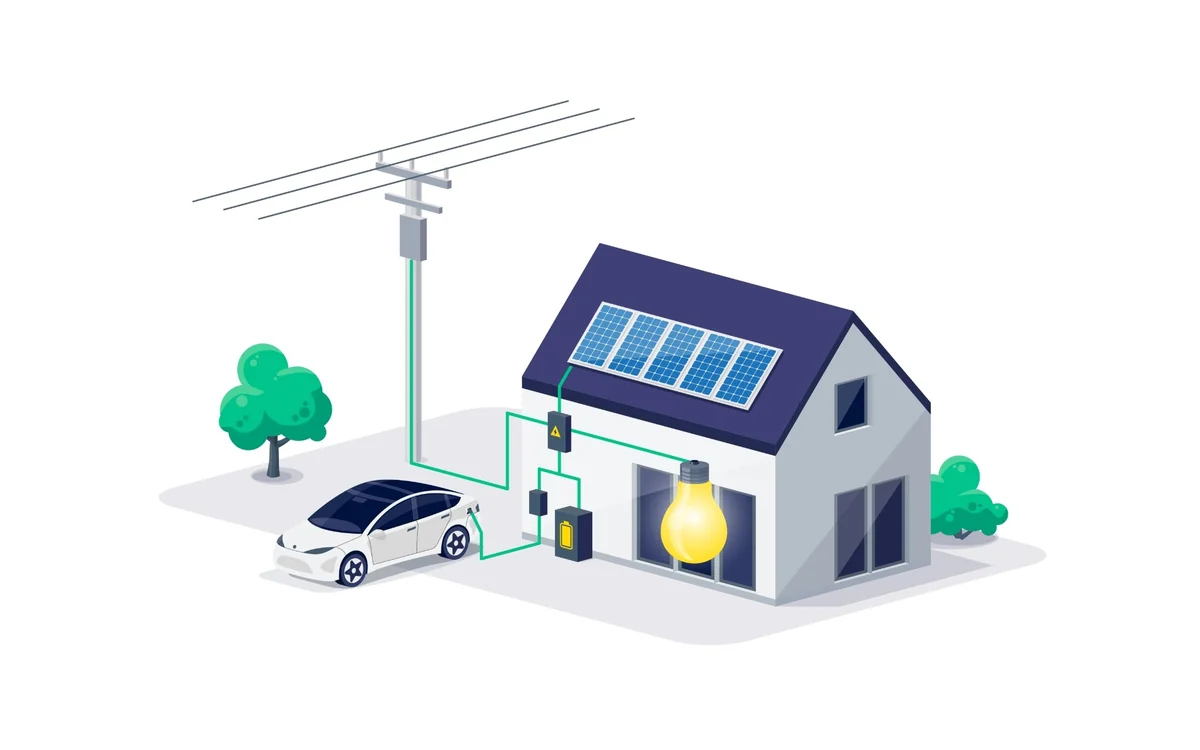
In most grid-connected systems, solar energy is used in a clear order. It powers the home first, charges the battery second and exports any remaining electricity to the grid where permitted. If export is limited or the grid cannot accept more power, the inverter may reduce solar production through curtailment. Freedom Solar & Batteries explains how surplus solar is managed once a battery is full, how feed-in tariffs and export limits affect value and what homeowners can do to use more of their solar energy on site.
Solar power does not automatically go to the battery as soon as it is generated. In most grid-connected homes, it follows a priority order based on what the property needs at that moment and how the system has been configured.
The first destination is the home’s active electrical demand. This includes anything currently running, such as lights, refrigeration, air conditioning, pool pumps, computers, cooking appliances or hot water systems. If the solar panels are producing 4 kW and the home is using 2 kW, that 2 kW is supplied directly by solar. It does not pass through the battery and does not need to be imported from the grid.
Once the home’s immediate demand has been supplied, the remaining solar energy is directed into the battery. The battery continues charging until it reaches its programmed charge limit. Many systems also allow settings for backup reserves, maximum charge rates and time-of-use operation, which can influence how the battery charges and discharges throughout the day.
After the home is supplied and the battery is full, any additional solar production becomes surplus energy. In a grid-connected system, this excess is usually exported to the electricity grid if the property’s connection agreement allows it. If export is limited or not permitted, the inverter will reduce solar production so the system only generates what the home, battery and approved export limit can accept.
Once a solar battery reaches full charge, the system automatically stops sending additional energy into the battery. This protects the battery from overcharging and allows the inverter to manage the remaining solar production safely.
For most homes, one of three things then happens. The excess solar is exported to the grid, used by smart or flexible household loads, or curtailed by the inverter. Which pathway applies depends on household demand, battery settings, export limits and local network requirements.
If the property is using very little power and the battery is full, surplus solar will usually be sent to the grid. The smart meter records exported electricity separately, and the retailer applies the relevant feed-in tariff as a credit on the electricity bill. This can still provide value, but the credit is usually lower than the cost of buying electricity from the grid.
If export is restricted, the inverter may limit solar production. This is known as curtailment. The panels are not damaged, and energy is not dumped into the system. Instead, the inverter simply draws less power from the panels because there is nowhere useful or permitted for that extra electricity to go.
A feed-in tariff is the amount an electricity retailer pays for each kilowatt-hour of solar electricity exported to the grid. It appears as a credit on the power bill and helps offset electricity usage charges.
The value of exported solar depends on the tariff available under the household’s electricity plan. Some retailers offer a flat feed-in rate, while others may offer time-varying rates that pay different amounts depending on when electricity is exported. These rates can change, so it is important to review the plan from time to time rather than assuming the original tariff still offers the best value.
In many cases, feed-in tariffs are lower than the rate paid for electricity imported from the grid. This means using solar energy directly in the home or storing it in a battery for evening use often delivers greater savings than exporting it. For example, running appliances during the day, heating water with solar energy or charging an electric vehicle during peak production hours can help reduce reliance on grid power later.
Higher feed-in tariffs make exporting more attractive, particularly for homes that produce more solar energy than they can use. Lower tariffs shift the focus towards self-consumption, careful battery sizing and smart energy management. This is why the best solar and battery setup is not always the largest system possible, but the one that best matches the property’s energy use, export rules and tariff structure.
Export limits control how much electricity a solar system can send back into the grid at any one time. These limits are usually set by the local network and are designed to help manage voltage, grid stability and the amount of solar being exported in a particular area.
An export limit does not reduce what the panels are physically capable of producing. Instead, it limits how much electricity can leave the property. If the solar system is producing more than the home can use, the battery is full and the export limit has been reached, the inverter will reduce output.
For example, if a home has an export limit of 5 kW and is using 2 kW at the time, the system may be able to generate up to 7 kW before curtailment is needed. If the panels could have produced 8 kW in that moment, the extra 1 kW would not be generated because the inverter has capped output to stay within the approved limit.
This can affect system performance over the year, especially on bright, mild days when solar production is high but household energy use is low. In these situations, battery sizing, appliance scheduling and smart load control become more important because they help use surplus solar before it is curtailed or exported at a low value.
Excess solar power is not usually wasted in the sense of electricity being produced and thrown away. In most cases, the system simply reduces production when the energy cannot be used, stored or exported.
Curtailment means the panels could have produced more electricity, but the inverter has intentionally held them back. This may happen when the battery is full, household demand is low, the export limit has been reached or the grid cannot accept additional solar export at that time.
While curtailment does not harm the equipment, it can reduce the financial return from the system. Any energy that could have replaced paid grid electricity or earned export credits but was not generated represents a missed opportunity. This is why thoughtful system design matters. A solar and battery setup should be sized around real usage patterns, not just available roof space.
Other forms of lost value can also occur. A very large solar array paired with a smaller inverter may reach the inverter’s output limit early in the day. A household that uses most of its power at night may export or curtail more solar during daylight hours. A poorly matched battery may fill quickly and leave excess production with nowhere useful to go. These issues do not make the system unsafe, but they can reduce the savings it delivers.
Maximising self-consumption is one of the most effective ways to increase the value of a solar and battery system. The more solar energy used on site, the less electricity needs to be bought from the grid and the less surplus is exported at a lower feed-in rate.
One of the simplest changes is to shift major appliance use into sunny hours. Washing machines, dryers and dishwashers can often be run between late morning and mid-afternoon when solar production is strongest. Many appliances have delay-start functions, making this easy to manage without changing daily routines too much.
Heating, cooling and hot water can also be adjusted to use more daytime solar. Reverse-cycle air conditioning can pre-cool or pre-heat the home while the sun is shining, reducing evening demand. Electric storage hot water systems and heat pump hot water units can often be set to operate during the middle of the day, helping absorb solar energy that may otherwise be exported or curtailed.
Flexible loads are especially useful in homes with larger solar systems. Pool pumps can be scheduled to run during peak solar hours. EV chargers can often be set to solar-first or solar-only modes. Smart plugs, timers and energy management systems can also help shift suitable loads into periods when surplus solar is available.
These changes do not need to make the home less convenient. The aim is to align flexible energy use with the times when solar power is most abundant, so more of the system’s generation works directly for the household.
Before installing a solar battery, it is important to check whether the existing solar system, switchboard and household energy use are suitable for storage. A battery can be valuable, but only when it is properly matched to the property.
The first step is to review electricity bills and understand when energy is being used. A home with strong daytime solar production and high evening usage may benefit from storing excess solar for later. A home with low evening demand may not need a large battery, as it could sit partly unused for much of the year.
Battery goals should also be clear from the beginning. If the main aim is bill reduction, the battery should be sized around regular evening and overnight consumption. If the main aim is backup power, the design should focus on essential circuits such as refrigeration, lighting, internet, medical equipment and other critical loads.
The existing inverter also needs to be checked. Some systems are battery-ready, while others may require a hybrid inverter or a separate battery inverter. Older solar systems may need upgrades before a battery can be added safely and effectively. The switchboard, earthing, cabling and protection devices should also be reviewed by a qualified installer to confirm the system can support battery storage.
Local export rules should be assessed as well. If the property has a low export limit, a battery may help capture solar energy that would otherwise be curtailed. If export tariffs are strong, the financial case may look different. This is why system design should consider solar production, household demand, battery capacity, tariffs and network limits together.
When a solar battery is full, excess solar power is managed automatically by the system. It may be exported to the grid, used by flexible household loads or reduced through inverter curtailment if there is nowhere else for it to go. None of these outcomes are random. They are shaped by system design, inverter settings, tariff structures and local export rules.
For homeowners, the main lesson is that solar battery performance depends on more than storage capacity alone. The best results usually come from matching battery size to actual energy use, reviewing feed-in tariff options, shifting suitable appliances into sunny hours and making sure the system is configured around both savings and backup needs. With the right design, more solar energy can be used where it delivers the greatest value.