Quality Solar Installations

0412 534 880
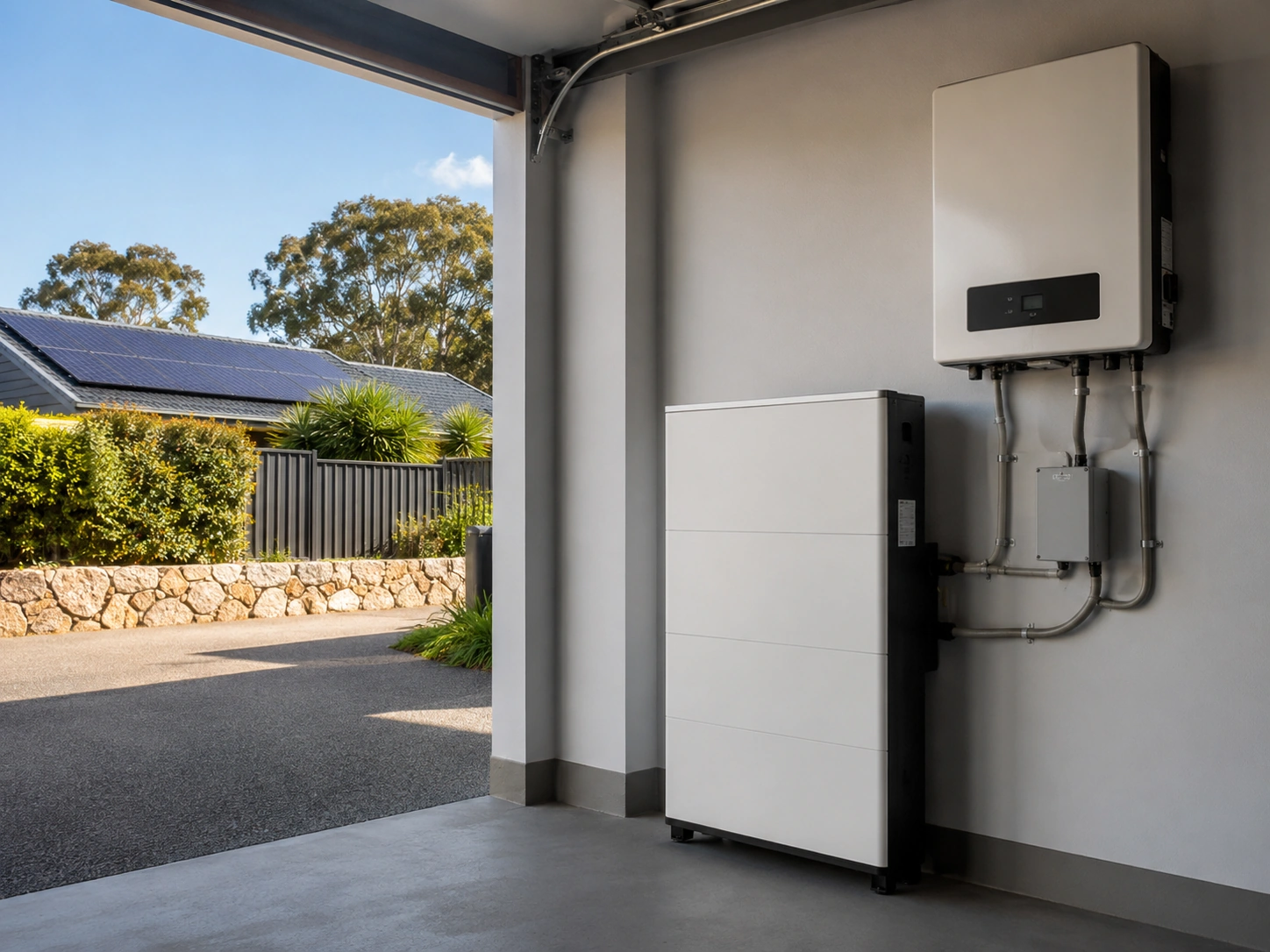
Solar battery maintenance helps protect performance, safety and lifespan. Know what to check, how often to inspect your system and when to call a professional.
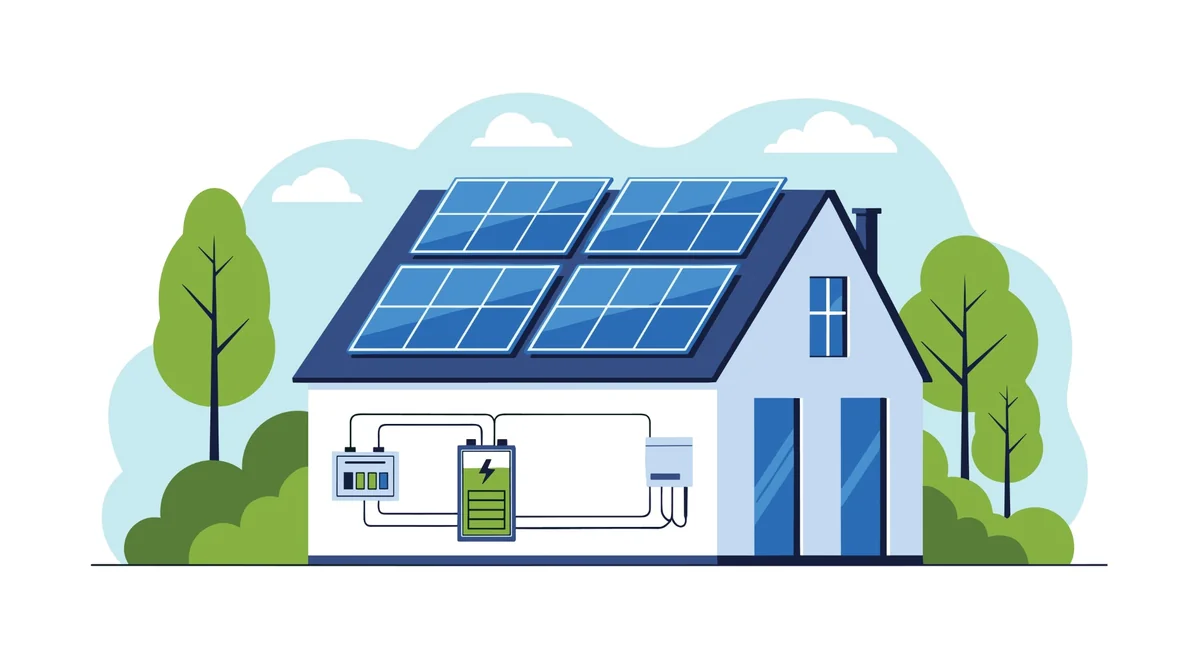
Solar batteries help households make better use of their solar energy, reduce reliance on the grid and maintain backup power when needed. Like any major home energy asset, they perform best when they are monitored, kept in suitable conditions and checked regularly for signs of wear or fault. For homeowners using solar batteries in Central Coast, simple maintenance habits can help protect battery performance, safety and lifespan.
At Freedom Solar & Batteries, one of the most common questions homeowners ask is how often solar batteries need attention. The answer depends on the battery type, installation location, usage patterns and manufacturer requirements. In most cases, homeowners do not need to carry out complex maintenance themselves, but they should keep an eye on performance, maintain a clear area around the battery and arrange professional support when warning signs appear.
This article explains what practical solar battery maintenance involves, how often basic checks should be done and when a professional assessment may be needed.
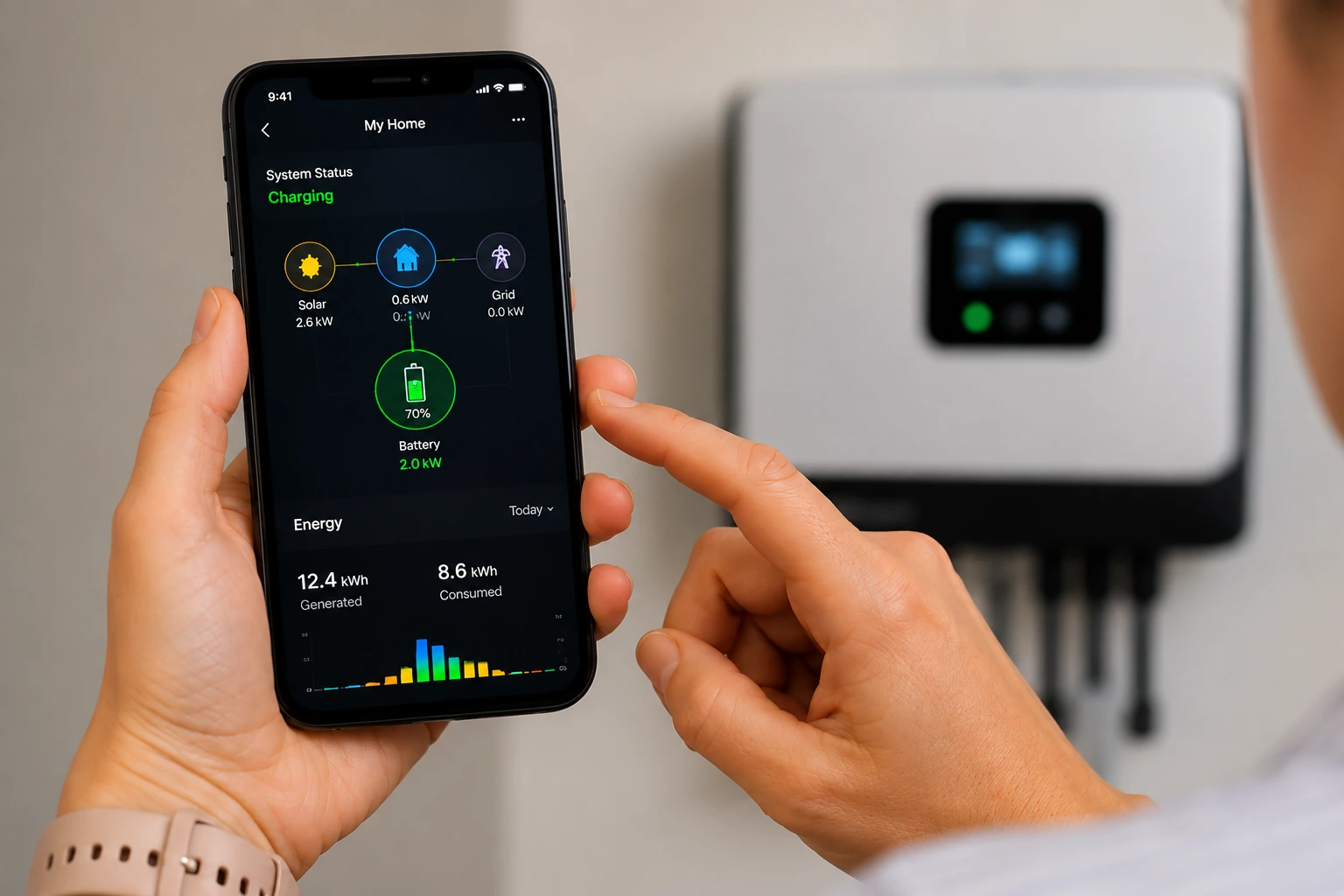
Regular performance monitoring is one of the simplest ways to keep a solar battery system operating efficiently. Most modern battery systems include a monitoring app, online portal or inverter display that shows how much energy the battery is storing, when it is charging and how often grid power is being used.
Checking this information regularly helps homeowners understand what normal performance looks like for their system. Once you know the usual patterns, it becomes easier to spot changes that may point to a problem.
A quick weekly review can help identify issues such as:
It is important to compare performance against similar weather conditions. A lower charge level during cloudy weather may be normal, while a major drop on clear sunny days may need further investigation.
Solar batteries, inverters and monitoring systems are designed to detect faults and protect the system. Alerts may appear as app notifications, emails, warning lights or error codes on the inverter or battery display.
Common alerts may relate to communication problems between the battery and inverter, high temperature or poor ventilation, abnormal voltage or current readings, grid disconnection events or battery management system faults.
When an alert appears, record the exact message or code and follow the instructions in the manufacturer’s manual. Some minor alerts may clear after conditions return to normal, but repeated or persistent warnings should not be ignored.
Homeowners should never bypass, disable or repeatedly reset safety warnings to keep the system running. If the same alert keeps returning, arrange a professional inspection.
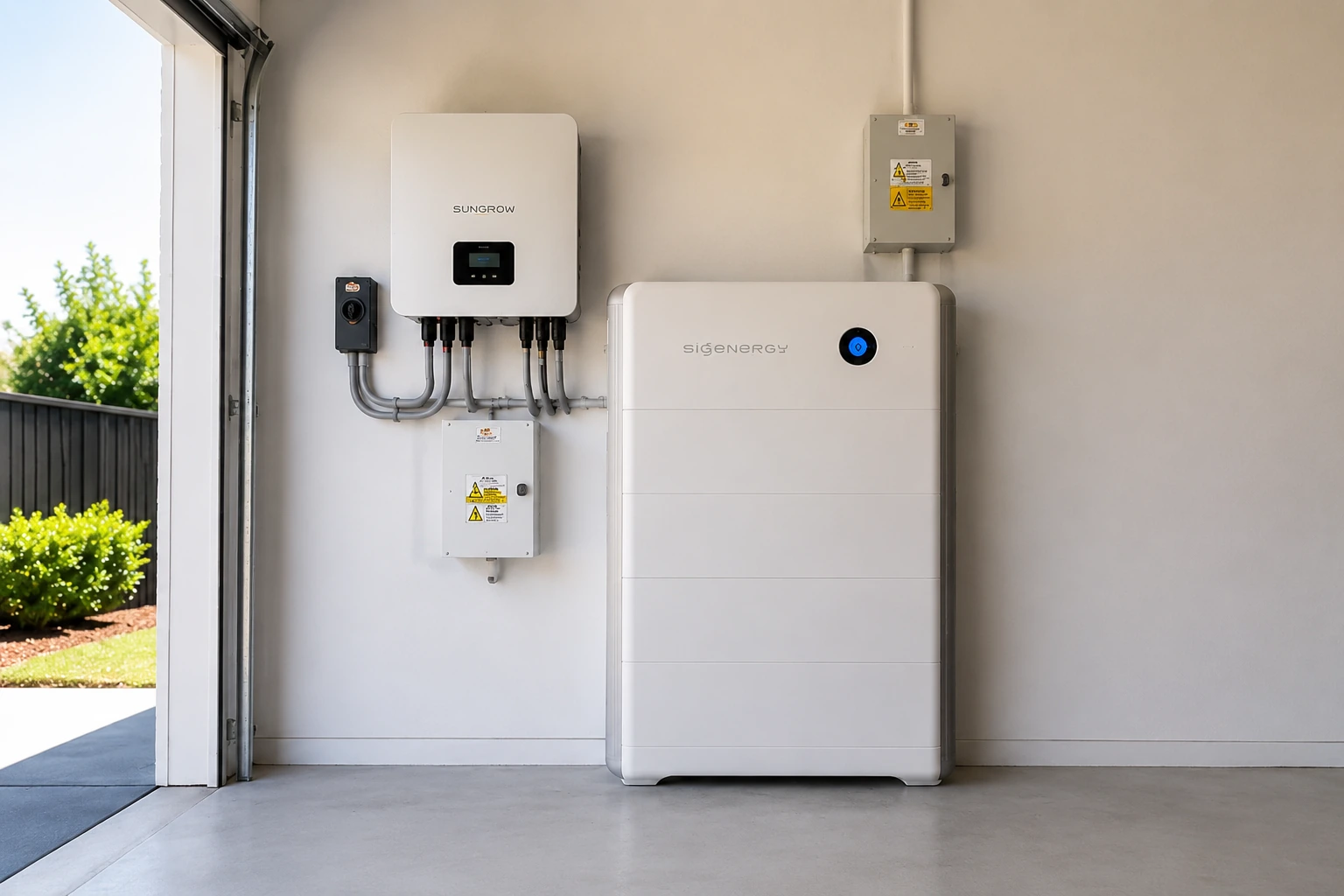
A clear, well-ventilated space around the battery is essential for safety and long-term performance. Batteries generate heat while charging and discharging, so blocked vents, stored items or tight enclosures can restrict airflow and increase operating temperatures.
Clearance requirements vary between battery models, so homeowners should follow the manufacturer’s installation manual. As a general rule, the battery should not be boxed in, covered, crowded by storage items or installed where airflow is restricted.
Avoid storing cardboard boxes, paper, textiles, fuel, oils, paints, solvents, cleaning chemicals, lawn equipment, power tools, bikes, ladders or other loose items near the battery.
The area should also be easy for technicians to access during inspections or servicing. Keeping the space tidy allows wiring, isolators, vents and monitoring equipment to be checked safely.
Dust and debris can build up around solar battery systems, especially in garages, sheds and outdoor areas. Excess dust can block vents, trap heat and make it harder to spot early signs of damage.
Homeowners can keep the surrounding area clean using a dry or slightly damp cloth on nearby surfaces. Do not hose, spray or pressure-clean around the battery, inverter or electrical components.
For outdoor batteries, trim back plants so foliage does not touch the cabinet or block ventilation openings. Remove leaves, spider webs and debris from around access panels and vents. If the area is prone to puddles, dampness or poor drainage, arrange advice before moisture affects the installation.
Environmental conditions can affect solar battery performance, lifespan and reliability. Prolonged heat, humidity, salt air and moisture exposure can accelerate wear, corrode fittings and trigger protective shutdowns.
Where possible, batteries should be installed in a cool, shaded and well-ventilated location. Avoid locations that trap heat, such as enclosed cupboards, poorly ventilated metal sheds or west-facing walls exposed to strong afternoon sun.
Prolonged exposure to temperatures outside the manufacturer’s recommended range can reduce battery life and may affect warranty coverage. This is particularly important during hot Central Coast summers, especially if the battery is installed outdoors or in a garage that heats up during the day.
Moisture is another important risk. Batteries should not be exposed to flooding, roof leaks, gutter overflow, wind-driven rain or standing water. Even outdoor-rated batteries are not designed to sit in constant damp conditions.
In coastal areas, salt-laden air can also contribute to corrosion. Outdoor systems should be checked more carefully for rust, staining, damaged seals or residue around fittings.
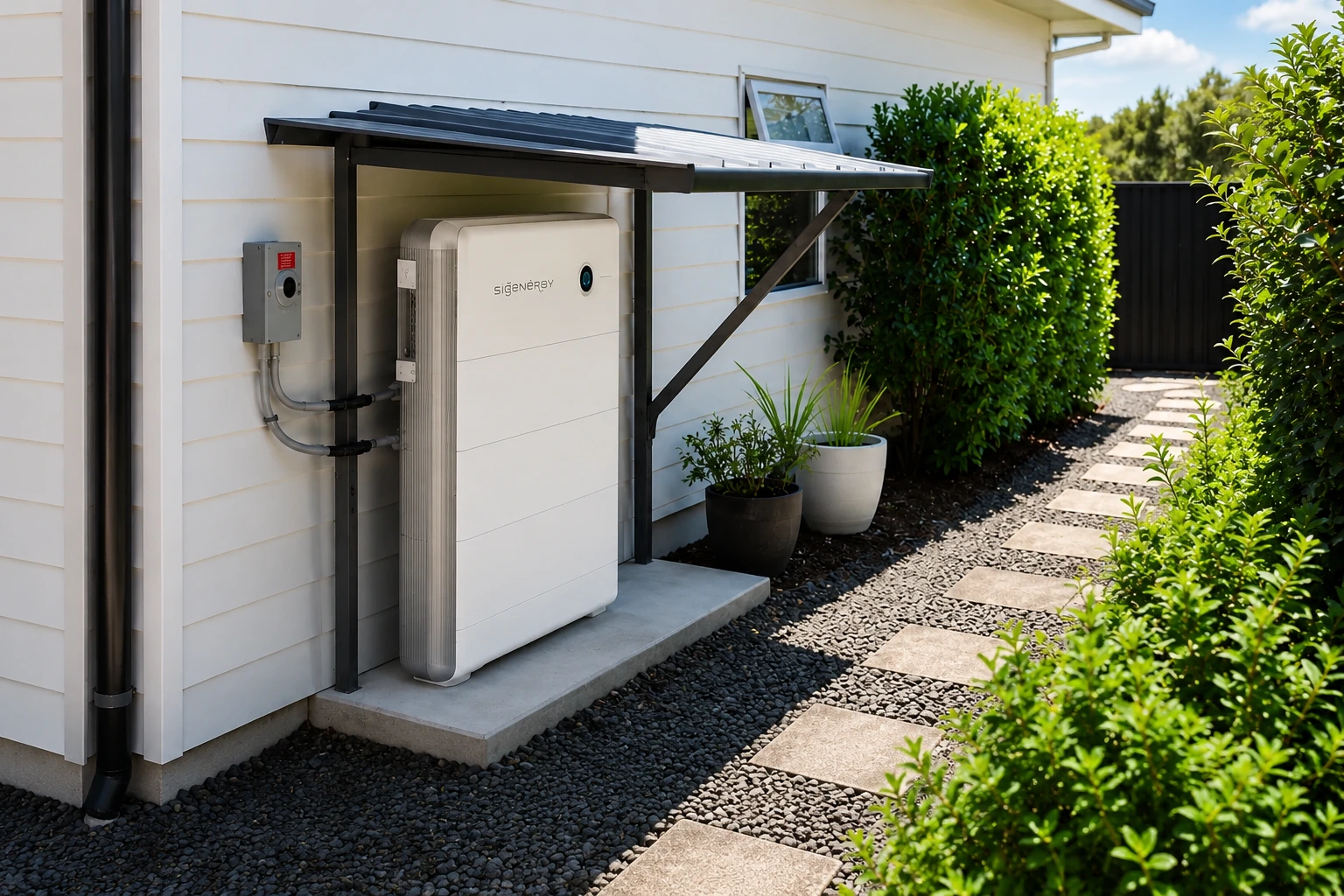
Outdoor-rated solar batteries are designed to handle normal weather exposure, but they still need appropriate siting and protection. A suitable enclosure or sheltered location can help protect the system from direct sun, windblown dust and heavy rain.
Any enclosure must be compatible with the battery’s ventilation and cooling requirements. A fully sealed box may trap heat and create problems. Access to isolators, displays and service panels must also remain clear.
Homeowners should check outdoor battery areas after storms, heavy rain or strong winds. Look for loose covers, damaged enclosures, water entry, fallen branches, blocked vents or debris around the unit. If water has entered the battery enclosure or nearby electrical equipment, do not touch the system. Arrange professional advice.
Regular visual checks are one of the most practical maintenance tasks homeowners can perform. These checks should be done without opening the battery, removing covers or touching electrical components.
A monthly or quarterly visual check can help identify warning signs such as:
Swelling, burn marks, unusual odours, visible corrosion or fluid-like residue should always be taken seriously. These signs may indicate overheating, internal damage or electrical faults.
If the battery casing feels unusually hot, there is a burning smell, chemical smell or rotten-egg odour, the system should be treated as a potential safety issue. If it is safe to do so, turn the system off using the correct isolation procedure and contact a licensed solar battery technician.
Solar battery maintenance requirements vary by brand, model and battery chemistry. The manufacturer’s manual should always be the main guide for inspection frequency, cleaning instructions, software updates and warranty conditions.
Some systems may need very little owner maintenance beyond monitoring and visual checks. Others may require periodic professional inspections, firmware updates or specific service records to maintain warranty coverage.
Homeowners should keep a simple record of installation details, service dates, technician reports, error codes, warning events, software updates and noticeable changes in performance.
This information can help technicians diagnose recurring problems and may support warranty claims if battery capacity drops faster than expected.
Even if the battery appears to be working normally, periodic professional inspections are important for long-term safety and reliability. A licensed solar battery technician can check components that homeowners should not touch, including electrical connections, communication settings, backup circuits, battery modules and inverter operation.
As a general guide, many residential systems benefit from a professional health check every one to two years, or more often if recommended by the manufacturer. More frequent checks may be needed for systems that cycle heavily, operate in hot or coastal conditions or provide regular backup power.
During a professional inspection, the technician may check battery and inverter communication, system settings, firmware, DC and AC connections, signs of heat damage, corrosion, ventilation, installation conditions, backup circuit operation, fault history and performance data.
These checks help identify minor issues before they lead to reduced capacity, shutdowns or safety concerns.
Some solar battery issues should never be handled as DIY maintenance. Batteries, inverters and associated wiring can involve high-voltage electrical components, so fault diagnosis and repair should be left to qualified technicians.
Arrange a professional assessment if you notice:
Prompt attention can prevent further damage and reduce the risk of voiding warranty coverage. It also helps ensure the system continues operating safely and efficiently.
For most residential solar battery systems, a practical maintenance routine may include checking the monitoring app weekly, visually inspecting the battery area monthly or quarterly, keeping the area clear and dry, checking outdoor systems after severe weather and arranging professional servicing according to the manufacturer’s schedule.
A professional health check every one to two years may also be appropriate for many systems, depending on the battery model, installation conditions and usage.
The exact schedule depends on the battery model, installation conditions and manufacturer requirements. Homeowners should always follow the manufacturer’s instructions and seek professional advice if anything appears unusual.
Keeping a solar battery system in good condition does not require constant attention, but it does require consistent care. Regular monitoring, visual checks, proper ventilation and protection from heat, moisture and physical damage all contribute to better performance and longer battery life.
By understanding what to check, what to avoid and when to call a professional, homeowners can protect both their system performance and warranty coverage. For Central Coast households, a simple maintenance routine can help maximise the value of a solar battery investment while supporting safer, more reliable energy storage.