Quality Solar Installations

0412 534 880
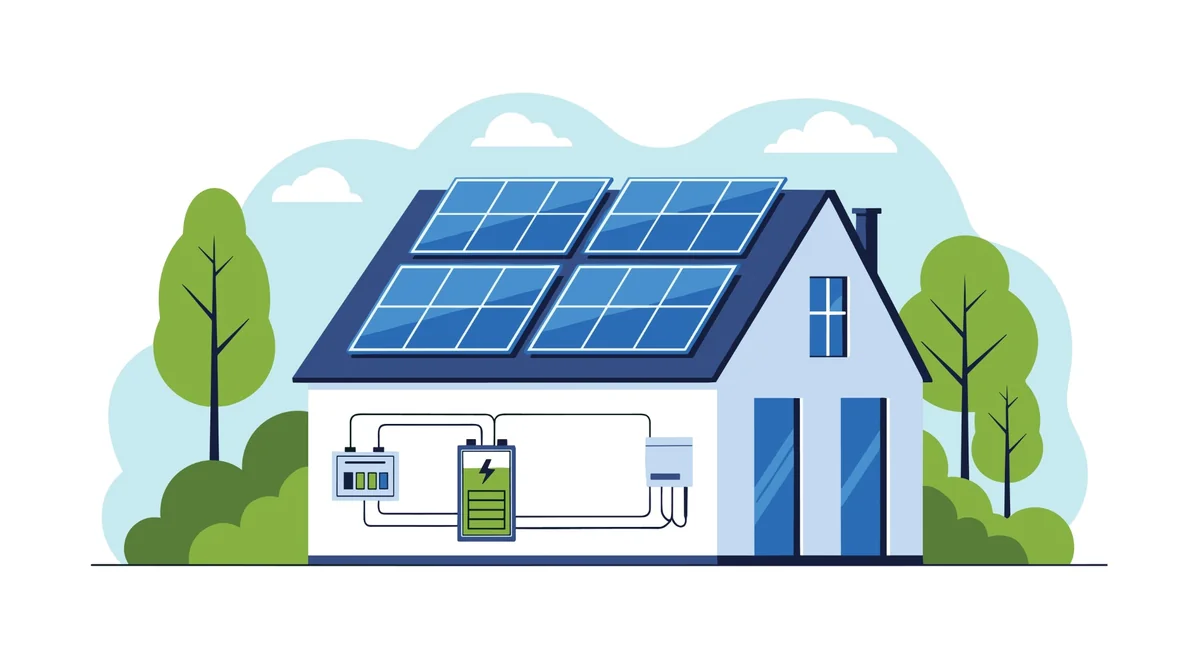
Compare Tesla Powerwall 3, Sungrow and Enphase solar batteries in Central Coast homes. Learn costs, backup performance, warranties and which system fits your needs.
Choosing between Tesla Powerwall 3, Sungrow and Enphase isn’t about which brand is “best” overall; it’s about which system best matches how your home uses energy, handles outages and plans for the future. For those considering solar batteries in Central Coast, the right choice can affect backup reliability and system flexibility. Here at Freedom Solar & Batteries, we often see that the biggest regrets stem from choosing a system based on brand hype rather than real-world performance and long-term ownership costs.
This article is for homeowners who already have solar and want a battery system that genuinely fits their household needs, budget and lifestyle. It’s relevant for families concerned about blackout protection, rising energy costs and making a single, well-judged investment instead of upgrading again in a few years. Once a battery is installed, its limitations and strengths become very real very quickly during outages, on high-tariff evenings and as energy rules and pricing continue to change.
This guide breaks down how these compare in everyday use, covering hardware design, backup capability, solar integration, software and monitoring, safety, warranties and total cost of ownership. By the end, you’ll understand which system suits your home now and which will still make sense 10-15 years down the track.
The design and performance differences go far beyond brand aesthetics or headline specifications. Each system is built around a distinct philosophy that affects how power is stored, delivered, monitored and protected during normal operation and grid outages. These design choices influence installation complexity, backup capability, expansion options and how the battery behaves under real household loads. Understanding these fundamentals is essential before comparing prices or capacity numbers.
From a performance perspective, the way each battery handles surge loads, integrates with inverters and manages energy flow can change the user experience. Some systems prioritise high whole-home backup power, while others focus on modular scalability or tight integration with existing solar hardware. These directly affect reliability, safety and long-term flexibility as energy usage grows or tariffs shift.
When assessing battery systems, we start with three practical factors: usable energy capacity, sustained power output and surge capability during outages. Capacity determines how long a site can remain supported, while continuous and peak power ratings dictate what can operate simultaneously. A battery with high kilowatt-hours but limited output may handle lighting and electronics well, yet struggle with motors, pumps or air-conditioning start-up loads. In contrast, a high-power system with modest capacity can feel responsive but may deplete quickly under sustained demand.
Backup capability is shaped by how the battery integrates with inverters, switchgear and backup circuits. Some systems are primarily designed for self-consumption and bill optimisation, with backup added as a secondary function. Others are engineered as true hybrid or backup-first solutions, featuring dedicated backup outputs, higher surge tolerances and clearly defined limits for protected circuits. This means separating critical and non-critical loads to ensure essential operations remain stable during grid interruptions.
In normal operation, battery platforms can behave very differently despite similar headline specifications. Some prioritise solar self-consumption, charging from excess generation and discharging to minimise grid imports, while others actively arbitrage tariffs by charging off-peak and discharging during high-cost periods. These influence daily savings, battery cycling frequency and how much solar energy is exported or retained. The best systems strike a balance that aligns with site usage patterns and retailer pricing structures.
During outages, system design becomes even more apparent. Faster transfer times allow most equipment to continue operating without disruption, while slower transitions may cause brief shutdowns that affect sensitive electronics. Load balancing, phase management and motor inrush handling determine how much of the site can stay online without nuisance trips.
While round-trip efficiency figures are important, they do not capture how a battery performs across real operating conditions. Standby losses, low-load conversion efficiency and coordination between multiple components all affect annual performance. Systems that manage partial loads efficiently and minimise idle consumption often deliver better real-world results than those relying solely on strong laboratory numbers. Eventually, these differences translate into measurable cost and energy savings.
Software now defines much of a battery system’s value. Strong platforms provide clear visibility into generation, consumption and storage, while also allowing control over reserves, tariffs, export limits and seasonal behaviour. Flexible systems support integration with load control, demand-response programmes and broader energy management strategies. Reliable firmware updates and long-term software support are critical, ensuring improvements enhance stability and capability than introducing operational risk.
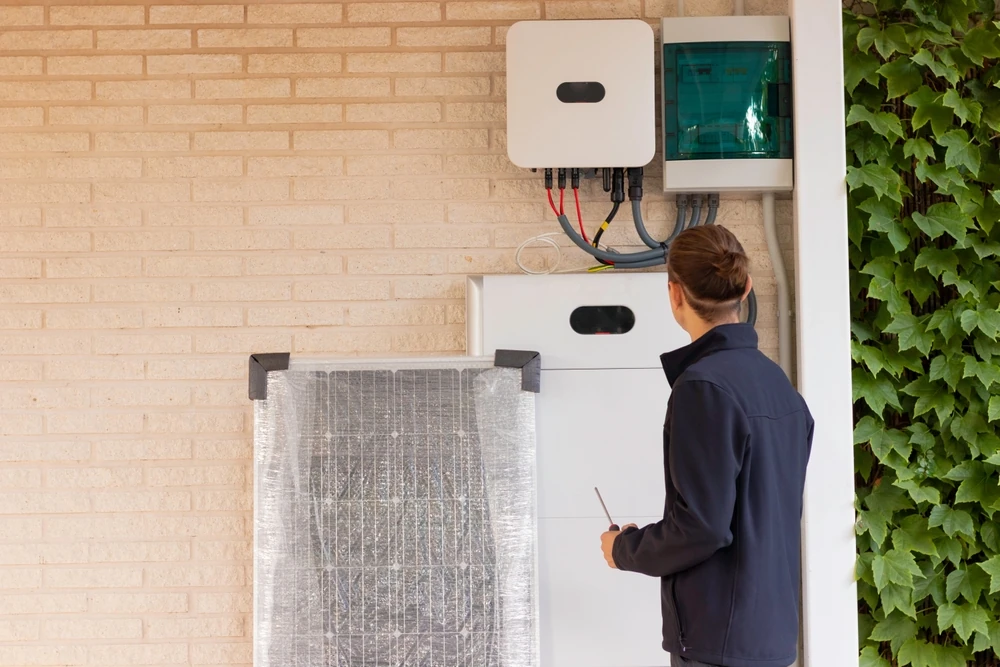
Installation quality and system compatibility play a role in how well a battery performs over its entire lifespan. Even the most advanced battery can underdeliver if it is difficult to integrate with existing solar, switchboards and protection devices. Differences in inverter requirements, cabling, space constraints and commissioning processes all affect installation time, upfront cost and future serviceability. These factors often determine whether a system feels seamless or complicated from day one.
Long-term flexibility is just as important as initial fit. As households add more solar, electric vehicles, heat pumps or change energy retailers and tariffs, the battery system needs to adapt without costly redesigns. Some platforms allow straightforward expansion, multi-battery configurations and inverter upgrades, while others lock the system into fixed architectures. Evaluating installation and compatibility together helps ensure the system remains practical, compliant and valuable well beyond its first few years of operation.
For most households, battery selection begins with how well the system integrates with existing or planned solar equipment. Tesla Powerwall 3 operates as an all-in-one AC-coupled unit with an integrated inverter, allowing it to function independently of many existing solar inverters. This makes it straightforward to retrofit, although the system performs best when solar is designed or reconfigured around Tesla’s ecosystem. For new builds, Powerwall 3 can act as the central platform for solar generation and storage.
Sungrow and Enphase take more ecosystem-driven approaches that reward tighter integration. Sungrow batteries are typically paired with Sungrow hybrid inverters, delivering efficient DC-coupled performance but limiting compatibility with non-Sungrow systems without additional work. Enphase batteries align naturally with homes already using Enphase microinverters, creating a clean, modular design with strong component-level monitoring. Both options suit households willing to commit to a single ecosystem in exchange for efficiency, reliability and long-term coherence.
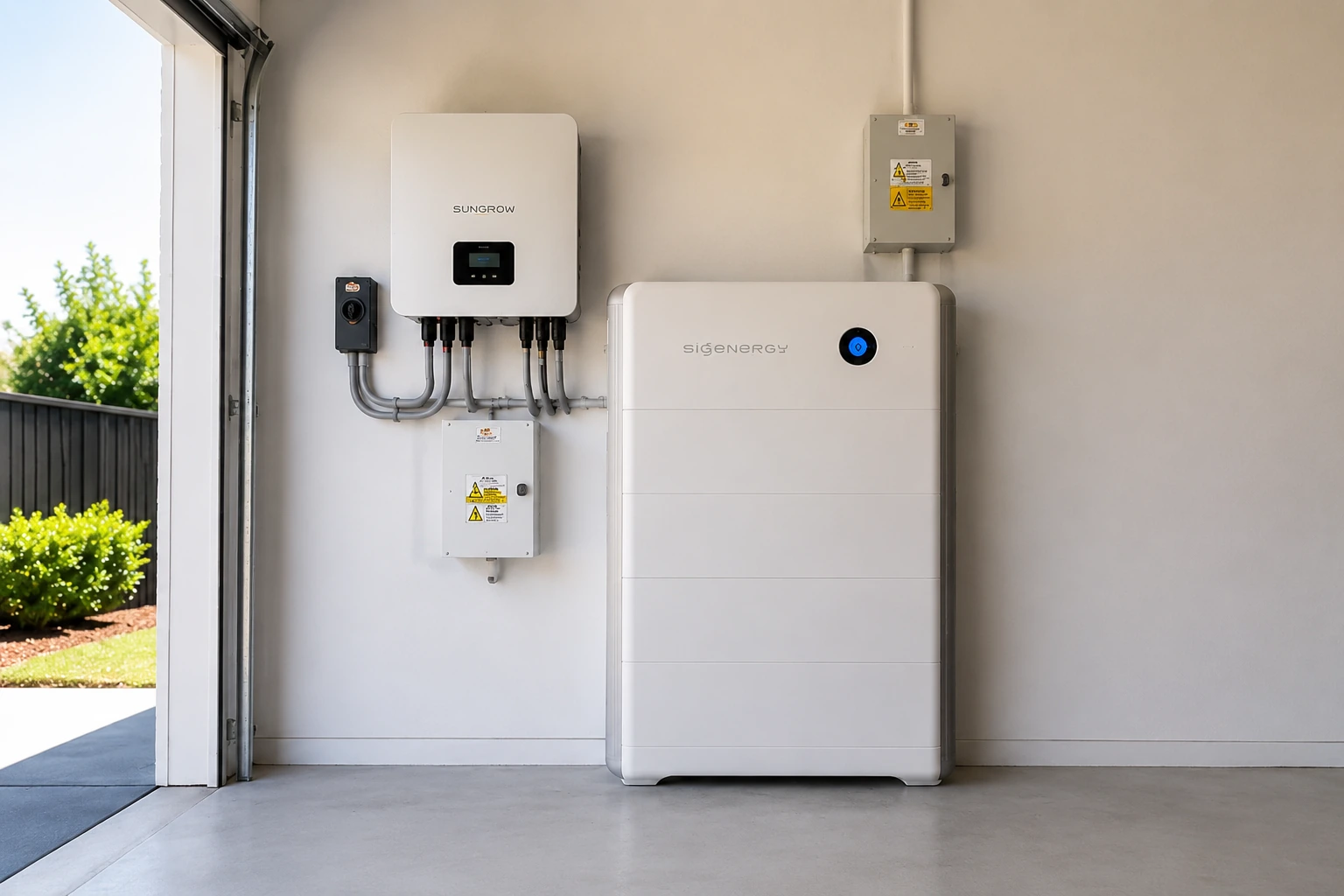
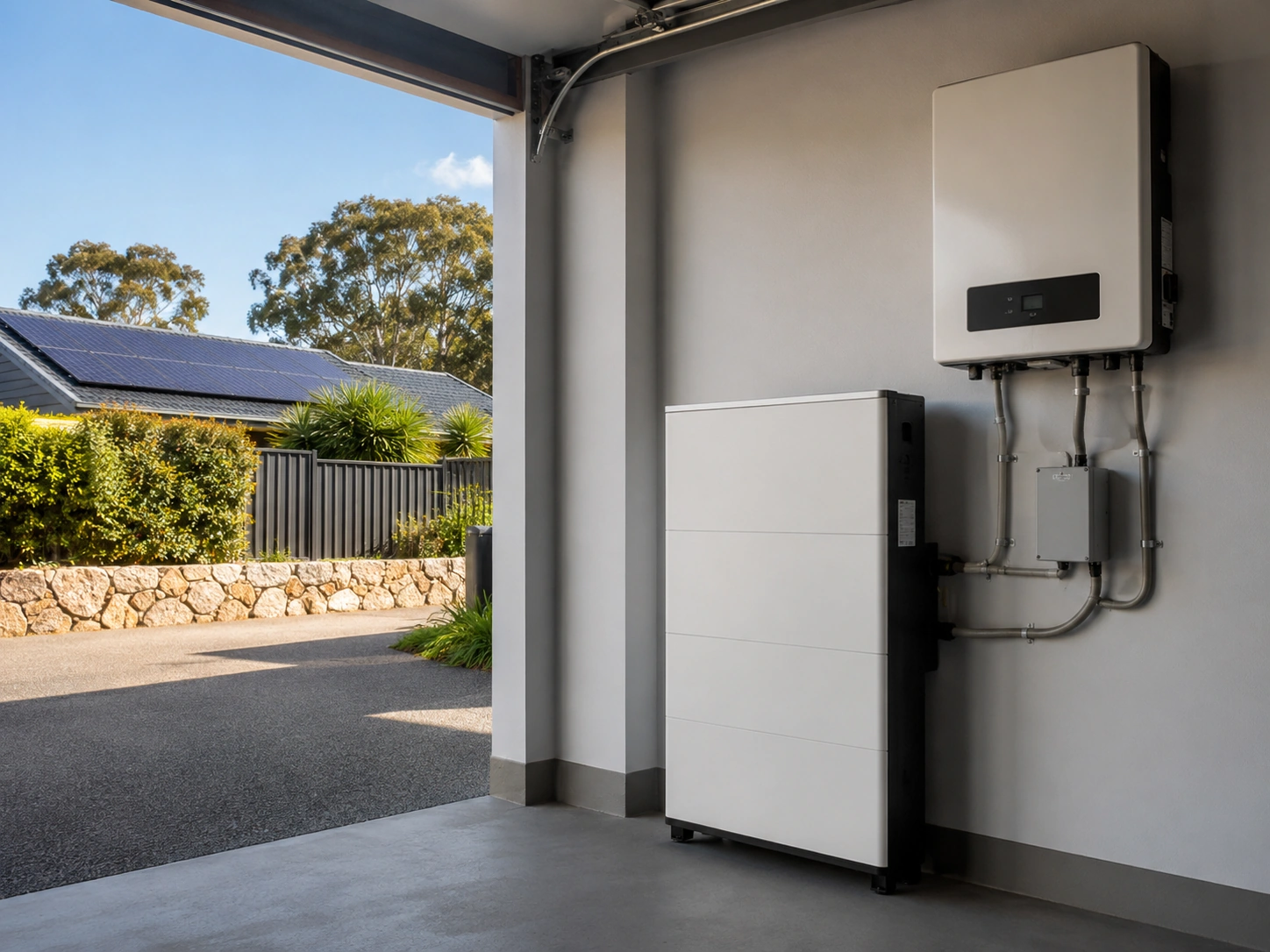
Physical installation requirements vary between platforms and can influence cost and feasibility. Battery size, mounting method, ventilation needs and access clearances all shape where and how systems can be installed. We assess these factors early to ensure compliance with electrical and fire regulations while maintaining service access and thermal performance. Layout planning is important in garages, townhouses and homes with limited utility space.
Installation considerations typically include the following:
Each approach has trade-offs between footprint, flexibility and visual impact, which are weighed against the property’s physical constraints.
Long-term flexibility depends on how easily storage capacity can be expanded as energy use grows. Powerwall 3 supports parallel expansion, but increases involve adding additional units, making it better suited to households planning a larger upfront installation. This offers simplicity and strong performance but less granularity when scaling in small steps. It works well where future load growth is predictable and space is available.
Sungrow and Enphase offer more modular growth paths. Sungrow’s cabinet-based systems allow staged expansion within defined limits, provided inverter capacity and cabling are planned correctly from the outset. Enphase delivers the most granular scalability, enabling capacity to grow one small battery at a time as needs evolve. While this flexibility suits gradual electrification, it requires careful initial design to avoid physical and cabling complexity as the system expands.
Upfront price is only one part of the equation when evaluating home battery systems. Installation complexity, usable capacity, efficiency losses and future upgrade costs all contribute to the true cost of ownership over the system’s lifespan. Differences in warranties, service support and manufacturer track records can have an impact on long-term value and risk. We assess these factors together to avoid decisions based solely on headline pricing.
Choosing the right fit requires aligning the battery’s strengths with how the household actually uses energy. Some systems prioritise maximum backup power; others focus on bill optimisation or modular growth. Warranty terms, performance guarantees and local support arrangements should reinforce those priorities rather than undermine them. By weighing cost and warranty alongside real-world usage and plans, the right choice becomes clearer and more defensible over the long term.
Value is driven by installed cost per usable kilowatt-hour and how closely the system aligns with actual consumption patterns. Tesla Powerwall 3 sits in the mid-to-upper price range once fully installed, reflecting its integrated inverter, high power output and strong backup capability. This often makes sense where higher evening loads, electric vehicles or whole-home backup are part of the brief, as the system’s power and flexibility are fully utilised. On new builds or major upgrades, the integrated design can also offset costs by reducing the need for separate inverter hardware.
Sungrow systems generally offer the most competitive installed cost per kilowatt-hour when paired with a compatible hybrid inverter. They suit households focused on bill reduction and time-of-use optimisation, particularly where a conventional string solar layout is appropriate. Enphase batteries, while higher on a dollars-per-kilowatt-hour basis, provide modular entry points that allow smaller initial investments and staged growth. Beyond headline pricing, true value depends on usable capacity, warranted cycles, integration costs and whether the battery’s power rating can actually cover the home’s peak loads and outage requirements.
Warranty terms are broadly comparable on the surface, with most offering around ten years of coverage tied to energy throughput or cycle limits. The critical differences sit in the details, including guaranteed remaining capacity at the end of the term and the assumed usage profile behind those guarantees. These influence how confidently a system can be cycled for bill savings versus preserved for backup.
Support quality becomes decisive over the life of the system. Tesla brings global scale and mature remote diagnostics, Sungrow benefits from a growing presence with improving local support channels and Enphase leverages long-term platform stability built through its microinverter ecosystem. From an installer's perspective, responsiveness around fault diagnosis, firmware updates and replacement approvals matters just as much as written warranty terms. Strong local support often proves more valuable than marginal differences in warranty wording.
Homes with high evening demand, electric vehicles or frequent outages are often best matched to Tesla Powerwall 3. Its high power output, integrated inverter and whole-home backup capability suit customers seeking a single, robust solution that can manage daily energy shifting and extended outages. This works well where simplicity and strong backup performance are prioritised over modular expansion.
Sungrow is the most cost-effective option for households focused on maximising bill savings with a clear budget constraint. It fits well where roof layouts are straightforward and a hybrid inverter-based system aligns with the site design. Enphase batteries are best suited to homes valuing flexibility, safety and granular system control, especially those already using Enphase microinverters or planning staged electrification. In all cases, the right choice is driven by load profile, site constraints, outage risk and long-term plans rather than brand alone.
Choosing between Tesla Powerwall 3, Sungrow and Enphase comes to aligning the technology with your home’s energy goals, budget and long-term plans rather than chasing a brand name. Tesla suits households wanting strong, whole-home backup and an integrated, premium experience. Sungrow offers one of the best balances of cost, performance and scalability. And Enphase excels where modularity, flexibility and detailed monitoring matter most. The best outcome comes from matching backup needs, expansion plans and site constraints to the strengths of each platform. For clear, tailored advice and a system designed to perform long after installation, we here at Freedom Solar & Batteries can assess your home and recommend the battery solution that truly fits.