Quality Solar Installations

0412 534 880

Find out how coastal conditions affect solar battery lifespan and what property owners can do to protect performance and maximise long-term value.
Coastal homes and businesses enjoy strong sun exposure, but they also face salt-laden air, higher humidity and often stronger winds. These conditions can accelerate wear on electrical equipment if it is not selected and installed correctly. In this article, Freedom Solar & Batteries explains how coastal environments affect solar battery lifespan, how modern battery technologies respond to these conditions and what can be done to maximise long-term performance.
Readers will learn what really affects solar battery life near the ocean, including battery chemistry, system design, installation quality, maintenance and the warning signs that a battery is nearing the end of its useful life. With a clearer understanding of these factors, property owners in coastal areas can make more informed decisions about battery storage, avoid premature failures and get better long-term value from their solar energy system.
Most modern solar batteries in Central Coast last between 10 and 15 years in real‑world home use, although some premium systems can reliably reach 15 to 20 years with proper care. In coastal areas, lifespan depends not only on the battery chemistry but also on how well the system is protected from salt, humidity and heat.
Solar battery specialists design systems so customers can expect dependable performance for at least a decade of daily use, with capacity gradually reducing over time rather than failing suddenly.
Residential solar systems today are dominated by lithium‑ion batteries, especially lithium iron phosphate (LFP). These are the same chemistries used by leading brands such as Tesla Powerwall and similar home storage products.
Typical expectations are:
A battery that lasts 10 years usually still works after that point but with reduced usable capacity. For example, a 10 kWh battery might be warranted to retain around 60 to 70 per cent of its original capacity after the warranty term, so the home may have less backup duration than when the system was new.
Battery life is measured in both years and cycles. One full cycle means discharging and recharging 100 per cent of the rated capacity. In practice many homeowners do partial cycles every day, which is easier on the battery than full deep discharges.
Most leading products are warranted for 4,000 to 6,000 cycles or 10 to 15 years, whichever comes first. In a typical home that uses the battery daily for evening consumption and backup, this usually lines up well with the calendar life of the equipment. Gentle usage, such as shallow discharges and avoiding frequent full drains to 0 per cent, can extend the practical lifespan beyond the warranty period.
Licensed solar battery installers configure systems with recommended depth of discharge settings and smart controls so the battery operates within the range that maximises both performance and longevity.
In coastal environments, salt‑laden air, high humidity and higher average temperatures can shorten battery and electronics life if the equipment is not properly protected. A well‑installed system using weather‑rated enclosures, corrosion‑resistant components and adequate ventilation can still reasonably achieve the 10- to 15-year lifespan that most homeowners expect.
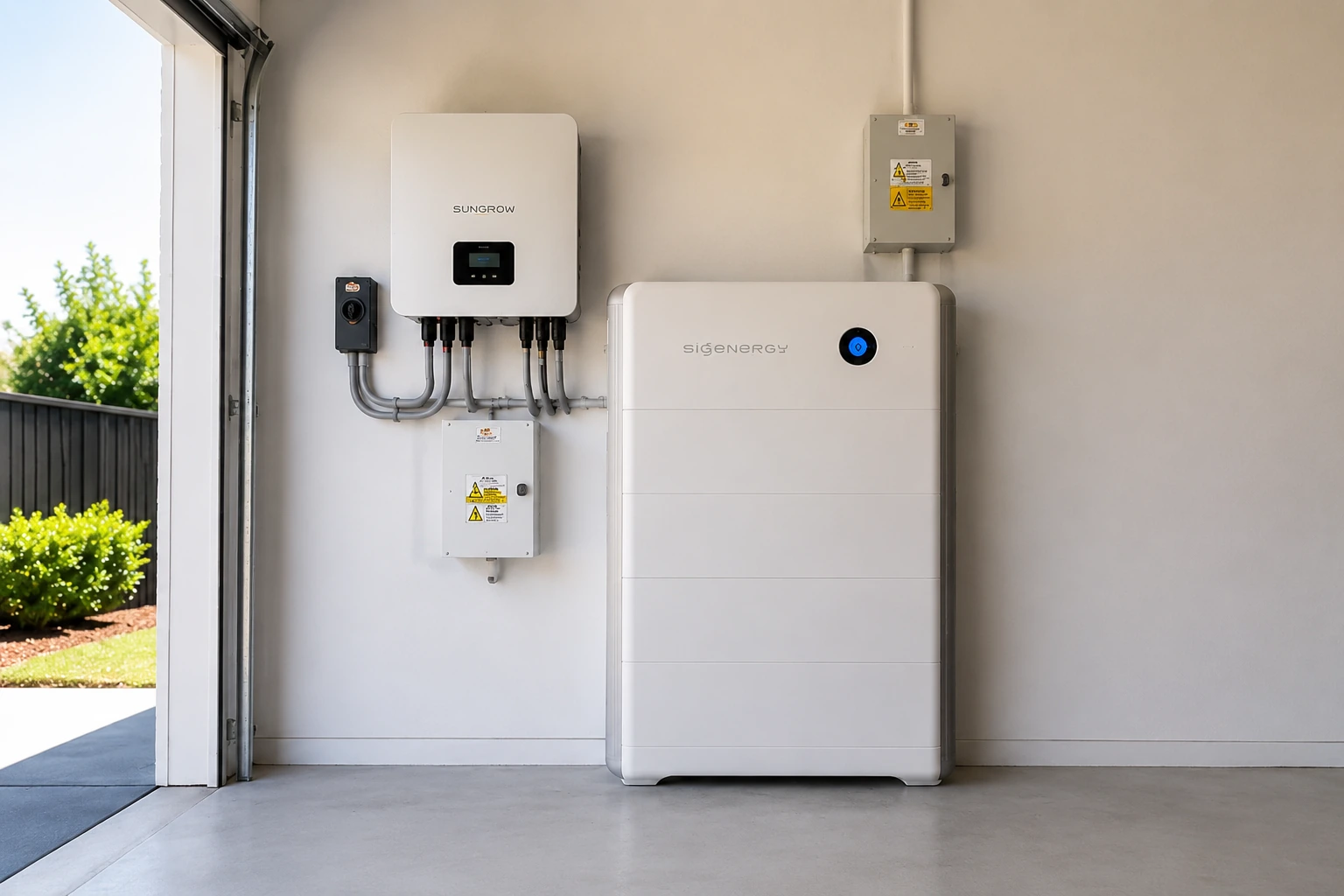
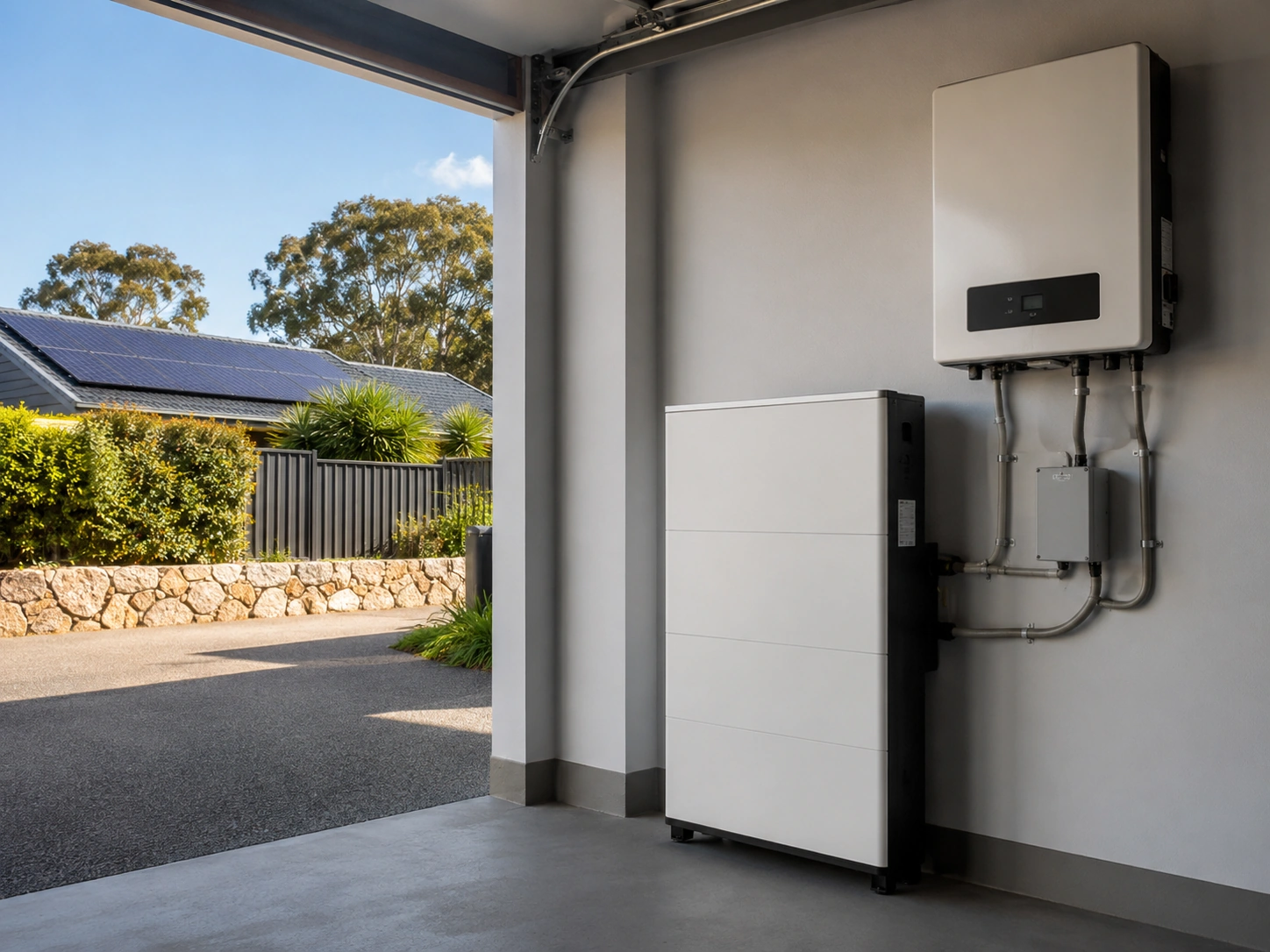
If the battery is placed in a cool shaded indoor location such as a garage or utility room and regularly monitored through its app, customers in coastal regions can expect performance that closely matches or even exceeds the manufacturer warranty period. With good installation practices and periodic checkups from trusted solar battery experts, many systems continue operating effectively into their second decade, although with gradually reduced capacity compared with their first years of service.
Coastal conditions can reduce solar battery lifespan if the system is not specified and installed correctly. Salt in the air, high humidity, heat and wind‑driven rain all increase the stress on battery enclosures, electronics and connections compared to inland locations.
With the right battery chemistry, weather‑rated enclosures and corrosion‑resistant components, solar batteries in coastal areas can still deliver close to their expected design life. The key is to understand the specific coastal risks and design the system to manage them from day one.
In coastal areas, tiny salt particles travel with sea breezes and settle on any exposed metal. In the presence of high humidity, this speeds up corrosion of terminals, busbars, mounting hardware and even printed circuit boards inside poorly sealed equipment.
Corrosion increases electrical resistance, which can cause voltage drops, heat build‑up at terminals and, in extreme cases, failure of battery modules or inverters. Outdoor battery cabinets that are not properly sealed may also let humid, salty air condense inside the enclosure, which accelerates rust on steel parts and can degrade insulation and gaskets.
Many coastal regions experience strong sun, high ambient temperatures and reflective glare from water or light‑coloured roofs. Heat is a major factor in battery ageing for both lithium and lead‑acid chemistries. Higher temperatures speed up chemical reactions inside the cells, which shortens usable life.
Direct sun on battery cabinets or wall‑mounted battery units can push internal temperatures beyond the ideal operating range even on days that do not feel extreme. In coastal storms, wind‑driven rain can also penetrate poorly sealed enclosures and repeated wetting and drying cycles increase wear on seals and paint coatings.
For these reasons, licensed solar battery experts typically recommend locating batteries in:
We also prioritise equipment with UV‑stable housings and high weather‑resistance ratings, such as IP55 or higher for exposed sites.
The closer a property is to breaking surf, the harsher the environment for solar batteries. Systems installed within a few hundred metres of the shoreline face a much higher salt load than homes a few kilometres inland, even if both are in the same town.
In very close coastal zones, the difference between a standard installation and a coastal‑rated installation can be several years of battery life. Key details that affect longevity include:
Licensed solar battery installers assess each site’s exposure to salt spray and wind before specifying battery brands, enclosure types and mounting locations. When these coastal factors are addressed up front, batteries can still achieve performance close to their rated cycle life despite the harsher environment.
In coastal areas, solar battery life is shaped by a mix of environmental stress, how the system is designed and how it is used day to day. Understanding these factors helps homeowners make smarter choices that protect their investment and keep backup power reliable for longer.
Trusted solar battery installers design systems to handle coastal conditions, but even the best equipment will age faster if it is constantly exposed to salt, heat or heavy cycling. The key is to select the right technology and then install and operate it in a way that reduces stress on the battery over time.
Salt in the air is one of the biggest threats near the coast. Salt particles settle on metal parts and electrical connections, where they attract moisture and speed up corrosion. While quality battery enclosures and components are rated to resist corrosion, a system mounted close to the shoreline or directly exposed to sea spray will typically age faster than one a few streets back from the beach in a sheltered position.
Humidity and moisture are also critical. Batteries and inverters that are installed in unsealed outdoor locations or under decks where moist air lingers are more prone to corrosion at terminals and circuit boards. This can shorten battery life even if the battery chemistry itself is healthy. We recommend placing batteries in well-ventilated indoor spaces like garages or utility rooms or in weatherproof outdoor enclosures with appropriate IP ratings.
Heat further affects longevity. High temperatures speed up chemical reactions inside batteries, which can increase capacity in the short term but shorten overall service life. Coastal regions that are both hot and humid can be particularly tough. Positioning batteries in shaded, cool locations away from direct sun and installing adequate ventilation are simple steps that can add years of life.
The type of battery chemistry has a direct impact on how long a system will last. Modern lithium iron phosphate (LiFePO₄) batteries generally outlast traditional lead acid batteries and handle partial charging and deep discharges more gracefully. In coastal installations we typically recommend lithium batteries for their longer cycle life and better tolerance of frequent use.
Quality of manufacturing and components matters just as much as chemistry. Premium batteries from reputable brands use better seals, more robust casings and higher-grade electronics to manage charging. These details improve resistance to coastal corrosion and thermal stress. Choosing a cheaper battery may look attractive upfront but often results in more capacity loss and earlier replacement in harsh environments.
How the battery is used day to day has a major impact on longevity. Deep discharges to very low states of charge on a regular basis place more stress on the chemistry. Designing the system with the right battery size for the home’s load profile lets the battery operate in a moderate state of charge window most of the time, which supports a longer service life.
Charging practices are just as important. A correctly programmed battery management system and inverter will use manufacturer-recommended charge and discharge limits and will avoid leaving the battery at 0 per cent or 100 per cent for long periods. Integrating solar production, backup needs and grid interaction through smart controls ensures the battery is cycled efficiently rather than unnecessarily.
Ongoing care finishes the picture. Even largely maintenance-free lithium systems benefit from periodic visual checks of enclosures, seals and cable terminations, especially in salty environments. Clearing dust and salt buildup on external equipment and arranging routine professional inspections allow small issues like a loose terminal or a degrading gasket to be addressed before they shorten battery life.
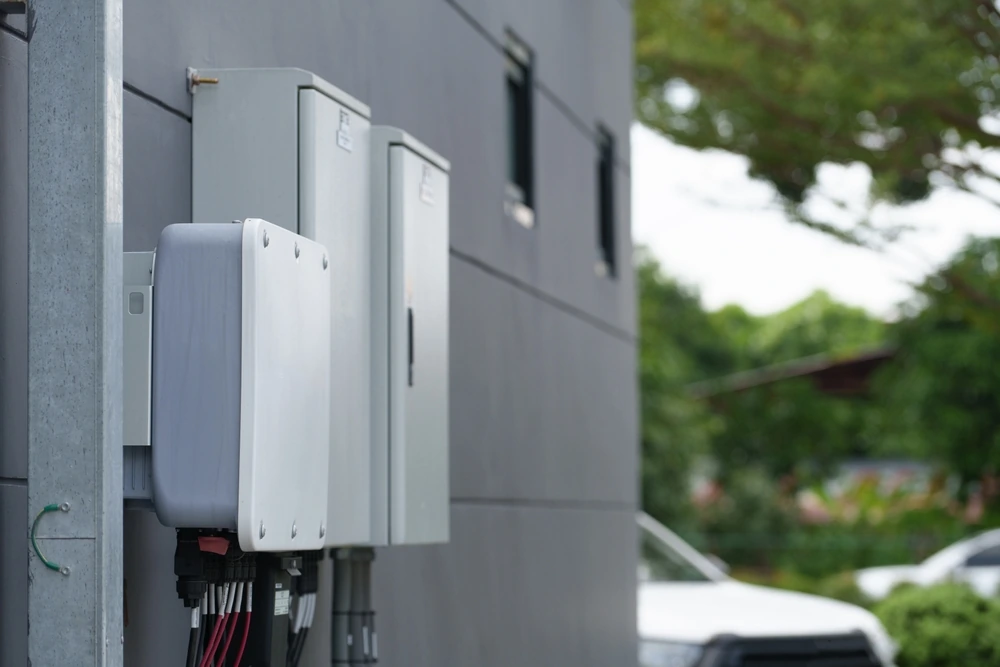
In coastal homes solar batteries face extra stress from salty air, heat and humidity. The good news is that the right equipment and simple maintenance habits can significantly extend battery life even in these harsher conditions. Homeowners can often gain several additional years of reliable performance just by controlling the environment around the battery and following a sensible care routine.
Licensed solar battery specialists design and install systems with coastal challenges in mind, then help customers protect that investment over time. The key is to focus on battery location, environmental protection, proper usage and regular system checkups.
Placement is one of the most important factors for coastal battery life. Whenever possible, batteries should be installed indoors in a cool, dry area such as a utility room, garage or dedicated equipment room away from direct sea spray.
If an indoor location is not available, a weather-rated enclosure is essential. For coastal areas, it is typically recommended to use:
Keeping batteries off the floor and away from exterior walls that get wet or hot helps avoid condensation and thermal stress. The goal is a clean, stable environment with minimal salt exposure and temperature swings.
High temperature shortens battery life more quickly than almost any other factor. Coastal regions often combine heat with humidity, so additional protective steps are valuable. Wherever possible the battery room or enclosure should be shaded and ventilated. In very hot climates, trusted solar battery experts recommend active cooling, such as a small, dedicated air conditioner or fan system controlled by a thermostat.
Humidity and salt can cause corrosion on terminal lugs and mounting hardware. Periodic visual inspections help catch early signs of rust or white powdery buildup. If corrosion appears, it should be cleaned carefully with a suitable contact cleaner and then protected with an approved dielectric grease or anti-corrosion spray. Keeping the enclosure closed and weatherstripping in good condition also limits moist, salty air intrusion.
How the system is used day to day has a major impact on battery lifespan. Coastal systems should be configured to avoid deep discharges whenever possible and to maintain manufacturer-recommended state of charge targets. Homeowners can support this by:
Annual or semiannual professional inspections are especially valuable in coastal locations. Technicians can check connections for tightness and corrosion, verify temperature readings, review event logs and confirm that the inverter and battery management system are operating within specifications. With these steps, coastal homeowners can significantly extend the life of their solar batteries and maintain strong performance year after year.
Solar batteries in coastal areas do not usually fail overnight. Their performance declines gradually. The best time to plan for replacement is before the battery becomes unreliable so the home or business does not experience unexpected outages or reduced backup capacity when it is needed most.
Licensed solar battery technicians recommend thinking about replacement as part of the original system plan. That means understanding the expected lifespan of the specific battery chemistry, how coastal conditions affect that lifespan and watching for clear signs of wear from around the halfway point of the warranty period.
The first guide for replacement timing is the battery type and its warranty. Most modern lithium iron phosphate solar batteries are warrantied for 10 to 15 years or a certain number of cycles. In coastal environments where humidity, salt and heat are higher, this practical lifespan can be closer to the low end of that range unless the system is very well protected and maintained.
For planning purposes homeowners should assume:
Solar battery experts advise customers to start budgeting for replacement once the system reaches roughly two-thirds of its warranty term, even if there are no obvious issues yet.
Actual battery performance is more important than age alone. Coastal conditions can accelerate wear, so monitoring becomes critical.
From about year 5 onward owners should pay attention to:
If the battery has lost around 20 to 30 per cent of its original capacity and usage patterns have not changed much, it is time to discuss replacement planning with a professional solar battery specialist. In coastal areas, waiting until the system is barely functional can expose electronics to moisture if enclosures are already degrading.
Replacement is often most cost-effective when aligned with other system work. In coastal climates where hardware faces salt spray and high UV, it can make sense to bundle the following:
A professional inspection around years 7 to 10 is often worthwhile for coastal systems even if everything appears normal. This inspection can assess battery health data, physical condition and environmental exposure. Based on those findings, a technician can recommend whether replacement should be planned soon, whether the system can continue operating with closer monitoring, or whether another detailed review should be scheduled in a few years.
Solar batteries in coastal areas can still provide strong long-term value, but their lifespan depends heavily on choosing the right equipment and protecting it from salt, humidity and heat. With suitable battery chemistry, careful installation, sensible usage and regular inspections, many systems can deliver dependable performance for a decade or more. For coastal property owners, the key is to plan for battery storage as part of the broader solar system, monitor performance over time and act early when signs of wear begin to appear.